
Chaos at UK airports: Heathrow and Gatwick among the worst affected
The problem caused by the air traffic management system. Dublin Airport in Ireland is also affected. More than 200 flights have been cancelled so far

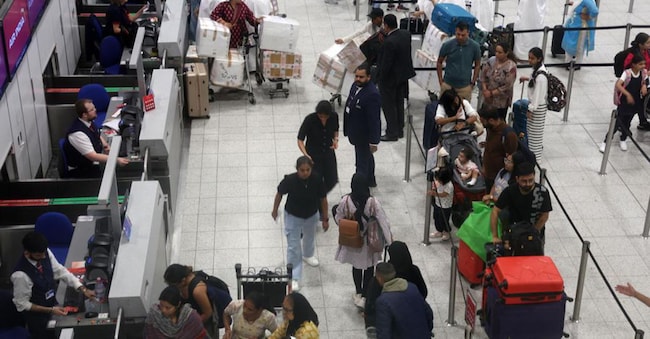
A technical fault in the flight management system of NATS, the UK’s leading air traffic control service provider, caused disruption and delays at several major UK airports on Tuesday. The airports affected included Heathrow, Gatwick, Manchester and Stansted, where departures and arrivals were subject to restrictions. In fact, the disruption also spread to Ireland, with Dublin Airport experiencing the same problems. Around 200 flights were cancelled due to the air traffic control issue in the UK, according to FlightRadar24.
EasyJet, which operates mainly from Gatwick, has stated that some of its flights are ‘unable to operate’ as a result of the technical problem affecting air traffic controllers.
London City Airport and London Southend Airport have confirmed that they are experiencing disruptions to outbound flights. Other affected airports include Birmingham, Jersey and Cardiff.
NATS explained that it had identified the source of the problem as being within its own flight processing system. “Our engineers are on site and are working urgently to restore normal operations as quickly as possible,” the company said. NATS clarified that air traffic had not been completely suspended: flights are still departing and the airspace remains open, but a return to full operations will take time.
Heathrow Airport, the UK’s main aviation hub, has stated that it is in contact with NATS to help resolve the issue. Edinburgh Airport has also reported possible knock-on effects, whilst Dublin Airport has stated that the disruption is also affecting flights arriving at and departing from the Irish capital. Aberdeen, Glasgow, Edinburgh and Southampton airports are all experiencing some disruption.


