
Carbon credits and economic benefits for the local area: this is carbon farming
Legance’s project with Carborea to help the Salento region affected by Xylella, reduce CO₂ emissions and bring benefits to the area

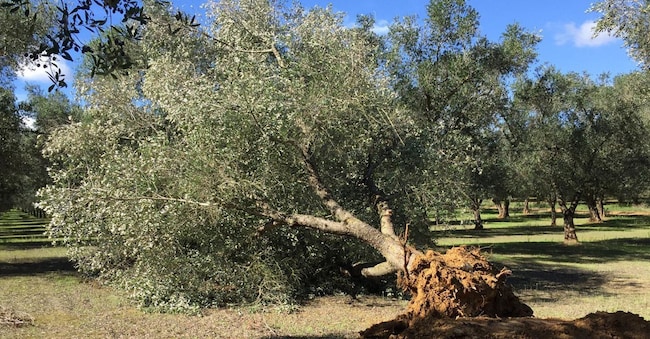
The voluntary carbon credit market is set for a period of strong growth. According to McKinsey, global demand could reach between 1.5 and 2 gigatonnes of CO₂ per year by 2030. But the sector’s growth is also measured by its ability to translate demand for credits into concrete action on the ground. This is the rationale behind the transaction through which the law firm Legance purchased over 1,743 carbon credits generated in Italia by Carborea, a benefit corporation specialising in the generation of certified credits, thereby supporting an agricultural regeneration project in Salento.
The project in Salento
The project, developed by the benefit corporation in collaboration with Olivami, involves 18 farmers across seven municipalities in Salento and supports the growth of around 23,550 olive trees across 48.5 hectares of land. The initiative has been launched in an area severely affected by the spread of Xylella and utilises the voluntary carbon credit market to support not only CO₂ sequestration but also the restoration of the agricultural landscape and the production chain.
This is one of the areas on which carbon farming focuses its attention – a model that assigns agriculture a role in carbon removal and storage and, at the same time, in the regeneration of fragile landscapes. The possibility of linking the generation of environmental credits to projects with local economic and social benefits is, in fact, one of the factors that can support the market’s growth. However, it is precisely this expansion in demand that makes the quality of projects increasingly crucial, alongside the measurability of results and the traceability of credits.
New facilities and traceability
In the case of the initiative supported by Legance, the credits derive from new olive groves established in Italia by Carborea, validated in accordance with international standards and registered through certification and traceability systems. The model also provides for a financial return for farmers from the very early stages of the project, linked to the environmental value generated by CO₂ capture.
“The carbon credit market is evolving rapidly, and we believe it is important to support projects that guarantee high standards of quality, transparency and traceability,” comments Emilio Sica, chief financial officer and member of Legance’s sustainability committee. “The initiative developed by Carborea is characterised by methodological rigour and an economic model that provides farmers with an immediate financial return; for these reasons, it immediately caught our attention. It is also one of Italy’s first carbon farming initiatives, capable of combining land conservation, climate targets and the development of local communities. All these aspects represent significant added value for Legance.”

