United Kingdom

Carcinogenic spices, London announces checks on all products made in India

The food safety authority's decision comes after traces of ethylene oxide were found in four popular mixtures in Hong Kong and Singapore
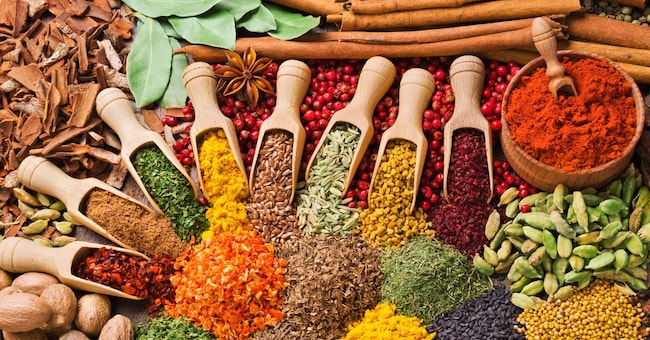
by Marco Masciaga

2' min read

2' min read

From our correspondent

NEW DELHI - In a move destined to aggravate the credibility crisis faced by India's spice industry, the British food safety authorities announced yesterday that they had decided to carry out additional checks on all blends imported from the Subcontinent.

Loading...

The decision, first reported by the Reuters news agency, comes after Hong Kong and Singapore had ordered the recall of four products from two Indian companies in recent weeks.

Since the case broke out, the UK is the first country to have controls on all spices arriving from India, which is the world's largest producer, consumer and exporter of this type of product. In 2022, the last year for which figures are available, London imported $128 million worth of spices and, of this, almost $23 million was for products made in India.

The UK's Food Standards Agency (FSA) has announced that it is applying additional checks for pesticide residues, including ethylene oxide, a carcinogenic gas that is normally used for sterilising surgical instruments and was found in products banned in Hong Kong and Singapore.

"The use of ethylene oxide is not allowed here and maximum residue levels have been set for herbs and spices," explained James Cooper, Deputy Director of Food Policy at the FSA.

The two Indian manufacturers involved are Mdh, which saw Hong Kong suspend the sale of three of its blends (Madras Curry Powder, Sambhara Masala Powder and Curry Powder), and Everest, which saw one of its products (Fish Curry Masala) blocked in both Hong Kong and Singapore.

Between September 2020 and last April, the European Food Safety Authority (Efsa) detected the presence of carcinogenic chemicals in 527 Indian food products. Of the outlawed samples, 332 indicated India as the only place of origin, while the others cited at least one other country. In the last six months, the US Food and Drug Administration has rejected 31% of Mdh products due to the detection of traces of salmonella.

In recent days, New Zealand, the United States, and Australia have also announced that they are carrying out checks on the products of Mdh and Everest, two of the major players in a market worth $10.44 billion domestically alone and exporting some $4 billion worth of spices in the 2022-23 fiscal year.

Copyright reserved ©
Loading...

Brand connect

Loading...

Newsletter

Notizie e approfondimenti sugli avvenimenti politici, economici e finanziari.

Iscriviti