
Cardinale: ‘Hollywood has become complacent, but it’s time to win the battle against Netflix’
The founder of RedBird explains the strategy for the new Skydance, in which he has invested 6 billion alongside Ellison: “Investment grade in three years”. On Italian football: “It needs to change”

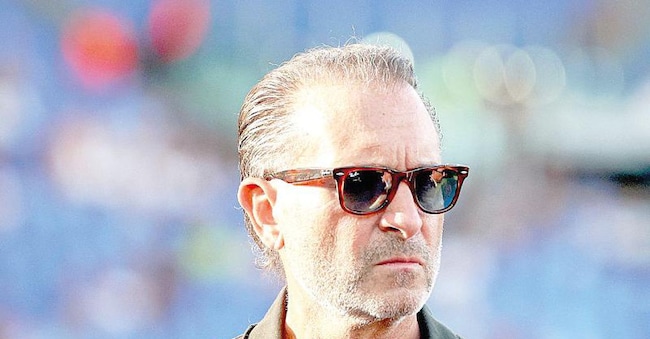
“Hollywood has become complacent.” And, according to Gerry Cardinale, Italian football has already lost ground for the same reason: it has stopped innovating. The head of RedBird – a key figure in the deal who, through his fund, now jointly controls the new Skydance (born out of the acquisition of Warner Bros Discovery) with the Ellisons – thus links the bet on Paramount-Warner to AC Milan. Six billion dollars invested by RedBird, thirty films a year and a streaming platform with 200 million subscribers: the plan is to challenge Netflix, whilst continuing to invest and generate cash to reduce net debt by as much as 80 billion. Speaking to *Il Sole 24 Ore*, he defends the business rationale behind the deal and RedBird’s ‘owner-operator’ model. And he urges Serie A to act: a more compelling league is needed to sell globally. All this on the day that the Lombardy Regional Administrative Court rejected the five appeals lodged against the sale of the current Meazza stadium and the land to Inter and Milan, thus paving the way for the construction of the new stadium, a project strongly championed by Cardinale, who, together with RedBird, has brought a long-term strategic vision and helped to accelerate a process already set in motion by the clubs.
Media mergers have, all too often, destroyed value in the past. Why will this one be any different?
There was no business logic behind AT&T’s acquisition of Time Warner. But there is, however, in bringing together Paramount, Warner Bros Discovery and Skydance, and in collaborating with Oracle in the way we are doing so. We have iconic assets and brands that are difficult to replicate, and we will build on these, creating stronger platforms around them and utilising capital, technology, distribution and operational expertise to accelerate their growth and transformation. This is our owner-operator model.
With 80 billion in net debt, is there a risk that growth will be sacrificed for the sake of fiscal consolidation?
Either he believes I’m really good at what I do, with 35 years of results behind me, or he doesn’t. What nobody is talking about is that we also have 12 billion in cash flow from our declining linear cable business alone. We will reinvest the cash and pay off the debt, just as any other company in any other sector would. We will be investment grade in three years.


