
Carlo Petrini: from the left wing of the 1970s to the cultural and economic renaissance of the Langhe
Petrini transformed the political legacy of Sixty-Eight into a community project that enhanced the Langhe from poverty to prosperity through Slow Food and cultural initiatives.
by Paolo Bricco
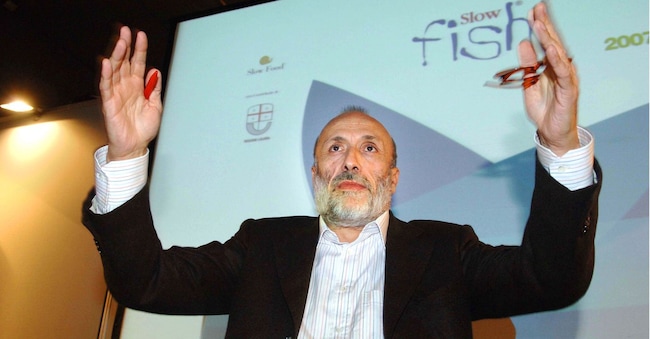
Now that the coffin is closed, we can go back to talking about 'Carlin' Petrini alive. There are two things for which Petrini has left a mark that will remain.
The first is the healthy and poetic - not nihilistic and careerist - landing of the political and civil fire of the left generated by Sixty-eight and Seventy-seven.
One of the - human, all too human - major forms of sadness in Italia was witnessing the transformation of those who frequented left-wing newspapers and assemblies, took part in left-wing marches and said (and thought) left-wing things into brilliant (and vaguely waffling) well-paid and always revered officials of the media, financial, political and industrial powers.
Carlin Petrini did, indeed, something different. He has transformed that personal energy into a, first small and then ever larger, community energy. He took that desire to dance and to criticise, to participate and to think different things and applied it, with political method and peasant patience, to a world that had been cut out of history, that had little to do with the factories, that no one in the drawing rooms knew existed, that everyone ignored in the bourgeois publishing houses entitled to explain the world to us: the Langhe.
The Langhe were among the poorest parts of Italia. The beginning of Beppe Fenoglio's Malora, dear Carlin, is one of death and poverty; 'It rained all over the Langhe, up there in San Benedetto my father took his first water underground. He had passed away on Thursday night and we buried him on Sunday, between the two masses. Luckily my master had advanced me three marenghi, otherwise there was nothing in our house to pay for the priests and the box and lunch for the relatives. We would have put the stone on later, when we could have pulled our heads up a bit'.


