Piscine Castiglione: fully committed to sustainability with its hi-tech patents
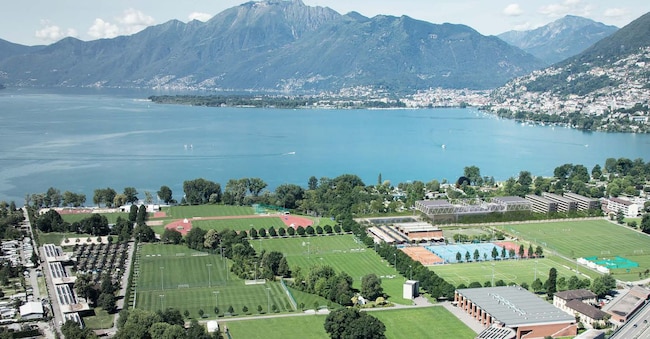
High-efficiency Italian technologies have also been chosen for the massive 100-million Swiss facility, with tanks installed by Rezzonico Lugano

Key points
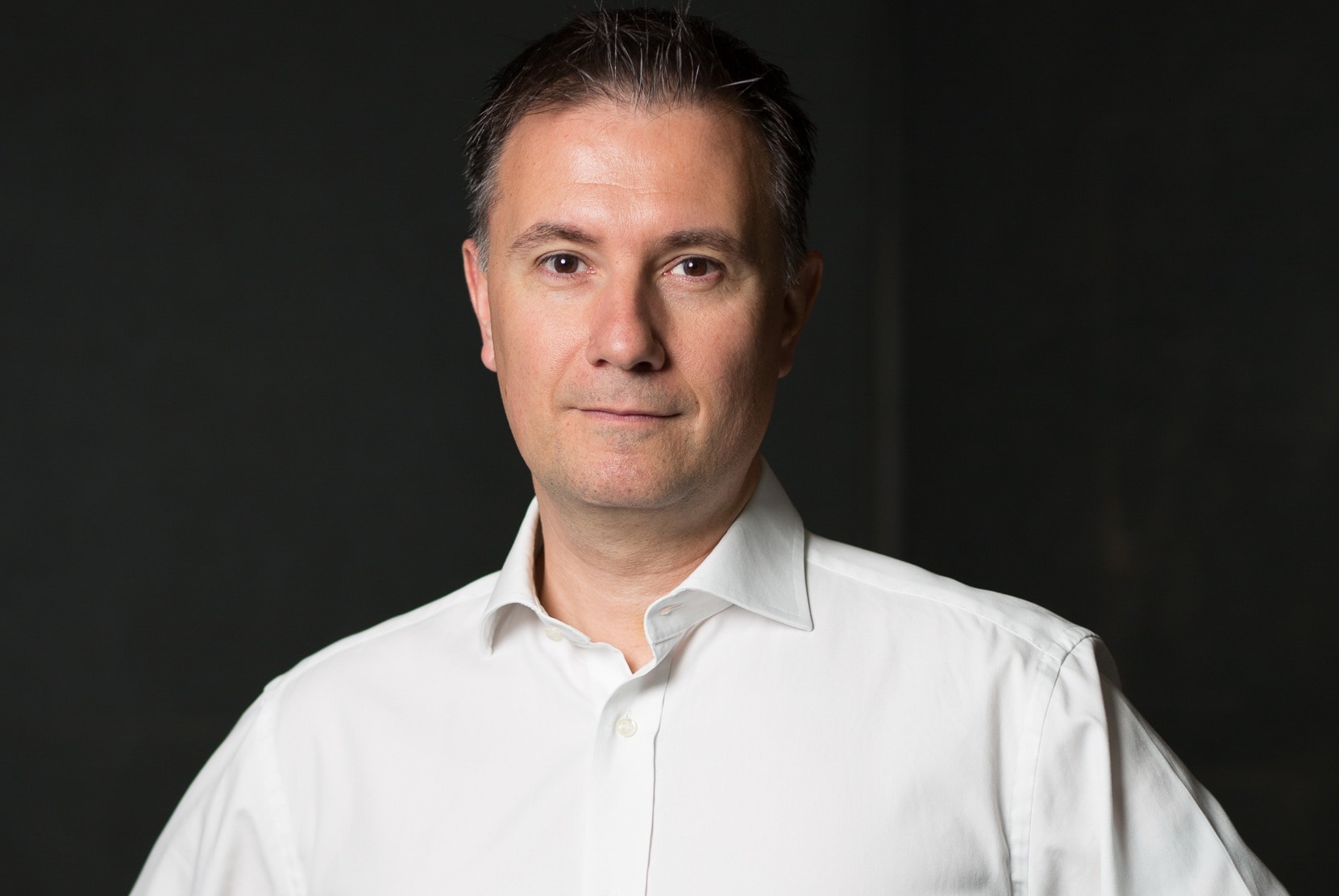
Water is at the heart of A&T Europe’s business, the company led by Roberto Colletto and known worldwide for its Piscine Castiglione and Myrtha Pools brands. In over 60 years of operation, the company has installed 20,000 swimming pools (as well as wellness facilities) in 70 countries across five continents, supplying and maintaining the pools for no fewer than six Olympic Games and many venues where international competitions have been held – and where 190 world records have been broken – thanks to partnerships with some twenty swimming federations. The more than 1,500 swimming pools built each year (including for private residences, hotels, spas, thermal and aquatic centres, sports and municipal facilities, campsites, cruise ships) are characterised by cutting-edge technologies to ensure ease of installation and maintenance, energy and water efficiency, and outstanding design (including in collaboration with world-renowned architects).
ESG reporting
Innovation and sustainability are continually being improved thanks to the work of the in-house research and development team, exclusive patents, collaborations with leading universities, key partnerships, certifications and top-tier supply contracts that drive the company to maintain high standards of quality. These issues are at the heart of the company’s fourth ESG (Environmental, Social and Governance) Report, which is currently being published; the report details its journey towards sustainability on a voluntary basis, without any regulatory obligations. The decision to produce a rigorous report – adhering not only to the standard GRI criteria but also to the SASB criteria, whilst linking material issues to the UN Sustainable Development Goals – positions the company amongst the international leaders in sustainability reporting.
“The green innovations we are implementing stem from the three-year roadmap drawn up by the internal sustainability committee established in 2023,” explains CEO Roberto Colletto. One of the standout developments is the Myrtha R-Evolution membrane, made from 60 per cent recycled materials, which is fully recyclable and embodies our circular vision: designing today with the materials of the future, ensuring durability and reusability whilst reducing our environmental impact. Also of note is the Myrtha Breathe system, developed in collaboration with the academic world: an innovative extraction system built into the pool that significantly improves air quality in indoor swimming pools, reducing chloramines and promoting the health and wellbeing of pool users.”
The sustainable transition
“Our priority is to develop solutions and services that promote a sustainable transition with a low environmental impact, which is why we design swimming pools capable of reducing CO₂ emissions by up to 50 per cent compared with traditional construction methods, according to our life-cycle assessment analyses based on ISO 14040 and 14044,” continues the CEO. We also continue to promote advanced filtration solutions, with a particular focus on public facilities, thereby making a significant contribution to reducing water and energy consumption. For us, this focus on sustainability is also reflected in the refurbishment of existing facilities, thanks to our technologies specifically developed for the renovation of outdated swimming pools. This allows us to breathe new life into shared spaces that promote physical activity, socialisation and quality of life.”
Technology to reduce energy consumption
Installations are also continuing successfully of the Artemis home automation systems, which allow users to manage their home swimming pools via their smartphones, and of the Myrtha Shark systems, designed for public swimming pools, which are capable of optimising filtration and disinfection in real time whilst reducing water and energy consumption. More generally, the computational fluid dynamics systems used in the design of these installations help to reduce energy and water consumption during operation, as they enable the circulation and quality of the water to be predicted and monitored, thereby preventing wastage.