
CES 2026: from space to the gym to football pitches. Here is the data for today's athletes

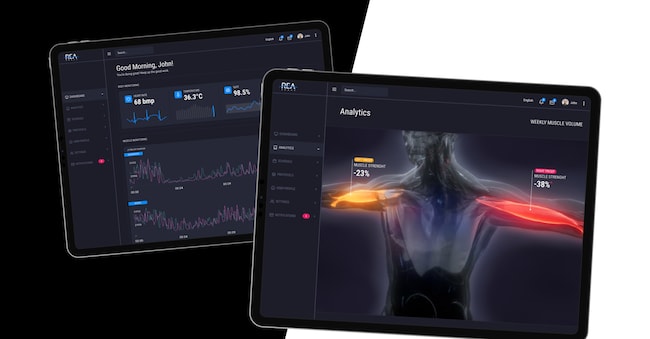
That today's world revolves around data is nothing new, but at CES we see how far it goes in everyday life too, combining proven and innovative technologies. One example is Hercules, the space-derived super-targeted training suit.
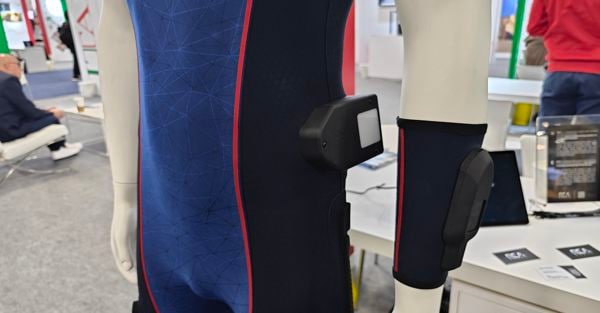
The company behind it is the Italian start-up Rea Space, which specialises in intravehicular suits for astronauts, i.e. those that are worn inside spaceships and orbital stations such as the ISS. The original research aimed to reduce the loss of muscle tone and bone density caused in astronauts by the reduced gravity experienced during missions. In practice, a series of sensors in their suits measure the astronauts' daily movements and an algorithm activates electro-stimulators that try to compensate for the lack of gravity with exercise.
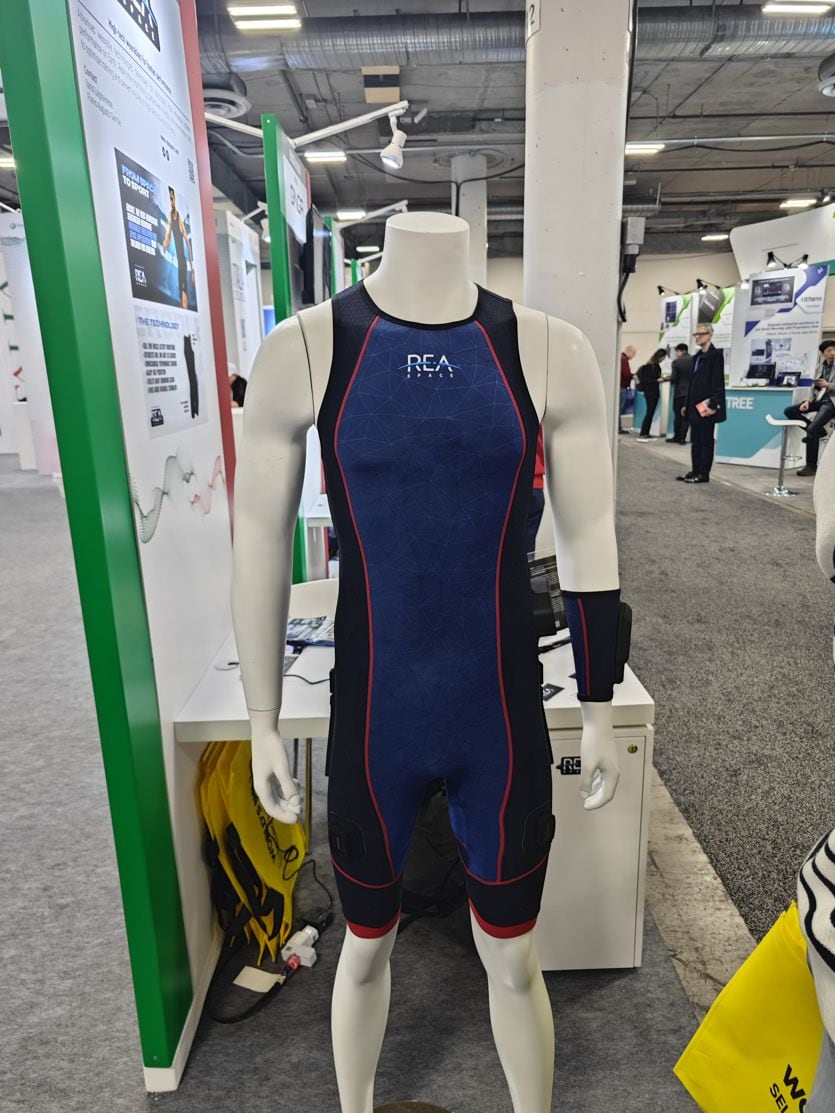
Successfully tested in the 2024 Origin mission, it has now produced its first spin-off for everyday life: a suit that provides a whole range of data, much more accurate and complete than that obtained through watches and other sports sensors, integrated in a suit that is easy to wear and does not hinder movement. Its use allows for very specific training and an analysis of the results down to individual muscle movements. It is currently in the final stages of prototyping, but there is no shortage of ready-made sports products that feed off data.
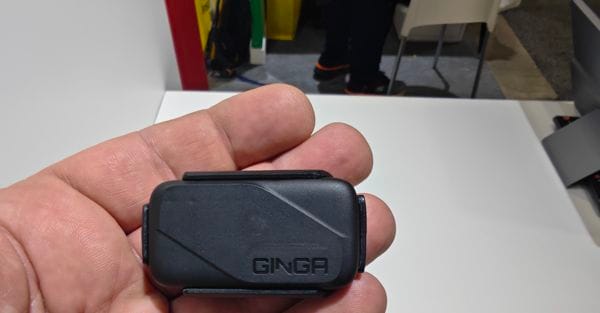
Next to the Hercules stand is Ginga: a very compact and powerful wearable device designed for footballers who want to improve their performance. Attaching it to the back of the shorts, the creator swears that it doesn't come off even when sliding in, and that that is where the algorithms work best, it manages to capture a whole series of parameters that tell us how hard you are working and on what.
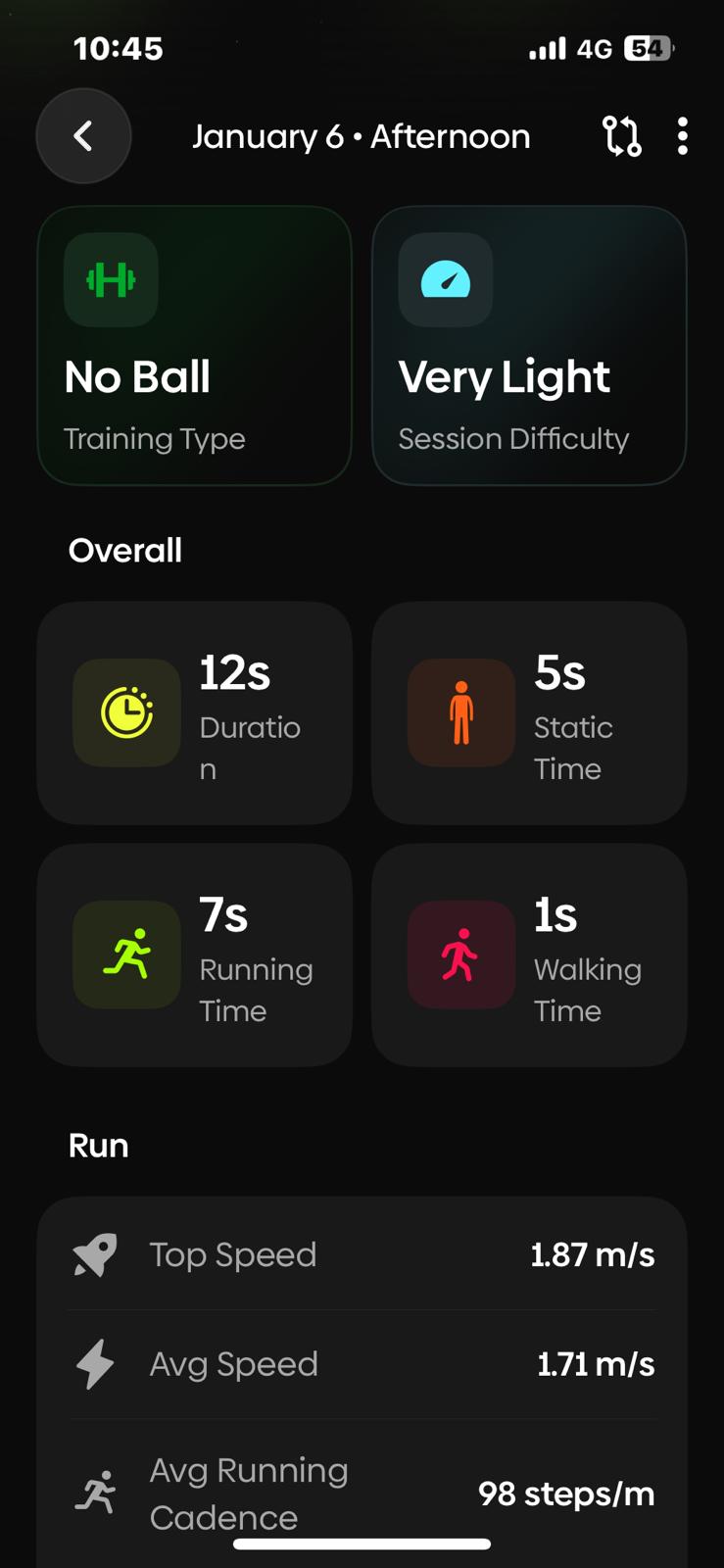
Through the app on your phone, in fact, you have access to a screen full of data such as maximum running speed, average load expressed, running times, recovery times, maximum and average duration of intense efforts, and so on. These are all parameters that professional football teams have been using for some time to optimise the training of their athletes, but which are now available to anyone thanks to the 'popular' cost of the sensor. Orderable from the gingatracker.com website, it costs only 89 euros, plus 9 euros per year for full use of the app. It can be used at any age and although it does not guarantee to make us champions, it does tell our progress well.

