
ChatGPT slows down, Gemini and Grok accelerate. LLM market grows but Sam Altman is no longer alone
Apptopia's data snapshot a booming but less concentrated artificial intelligence market. OpenAI remains in front, but loses ground while Google and xAI gain users.

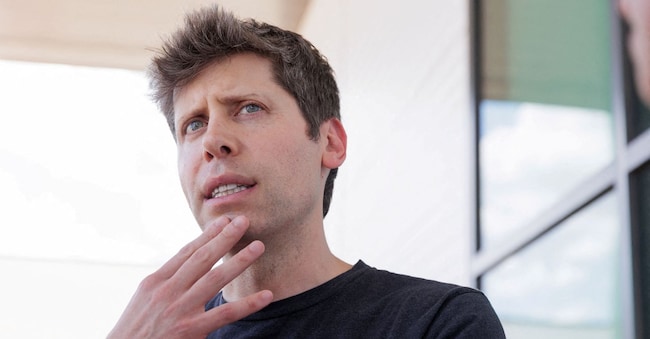
ChatGPT loses ground. Now the numbers say so, too. New data published by Big Technology, based on findings by Apptopia, a data analysis company specialising in the app market, tell of a rapidly growing but increasingly crowded generative artificial intelligence market. In the US, on mobile, OpenAI with ChatGPT has gone from a 69% share of daily users to 45% in twelve months. It is still first. But it is no longer alone. What this means is that OpenAI's lead is shortening. Not collapsing, but thinning. This is due to the new versions of Gemini (Goole) and Claude (Anthropic), which are performing well not only in benchmarks. And from the surprising exploit of Grok.
In the same period, Google with Gemini rose from 14% to 25%. xAI, with Grok, rose from 1.6% to over 15%. The key figure, however, is another: the overall market for conversational AI apps grew by 152% in one year. It is not a pie that divides. It is a rising pie.
On the web, the story is similar. ChatGPT increases volumes, from 3.8 to 5.7 billion monthly visits. Gemini, however, accelerates much more: from 267 million to around 2 billion. The gap remains, but the speed of the pursuer is greater. In economics, this is always a signal to be taken seriously.
This is where technology comes in. And above all, the distinction that really matters today: generative artificial intelligence versus agent AI.
Generative AI is the engine we have come to know over the last two years. It works like a hyper-fast typographical machine. You enter a request, you get a text, an image, a line of code. It is brilliant, creative, impressive. But it remains responsive. It responds. It does not act. It is a brain without arms.


