
China-Japan: summer flights plummet (-57%) due to political tensions
Compared with the same period in 2025, forecast air traffic has fallen by 57 per cent. This is mainly due to diplomatic crises and the rise in the cost of Japanese visas

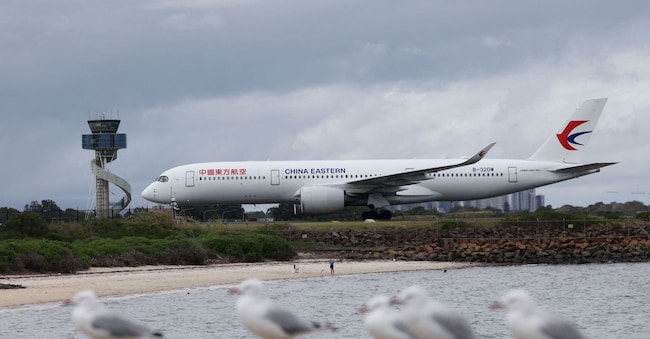
Flights between China and Japan scheduled by airlines for the summer peak in July and August have fallen by 57% compared with the same period last year, following political tensions between Beijing and Tokyo and the rise in the cost of Japanese visas. This is according to data from the British air transport analysis firm OAG, which monitored 23 airlines.
The figures behind the collapse
In July 2026, 2,629 return flights are scheduled between the two Asian countries, compared with 6,317 in the same month of 2025. A similar trend is expected in August, with 2,641 flights scheduled, compared with 6,127 last year. “With geopolitical challenges continuing to influence travel patterns, current demand appears to be in line with the capacity planned by airlines for the period,” said Mayur Patel, OAG’s Head of Asia.
Tensions between China and Japan
This decline had already begun in November with the first mass cancellations of flights between China and Japan, due to new geopolitical tensions arising from certain statements made by the Japanese Prime Minister, Sanae Takaichi. The Prime Minister in Tokyo had irritated Beijing by suggesting that Japan might deploy military forces in the event of a Chinese attack on Taiwan. In the same month, Beijing had issued a travel advisory urging Chinese citizens to avoid Japan, whilst some Chinese airlines had offered refunds to passengers travelling to Japanese destinations. According to the figures cited, China has cancelled almost 9,000 flights to Japan from the start of the year to 23 June.
Soaring costs for Japanese visas
Another factor affecting visitor numbers is the increase in Japanese visa fees, which will come into effect next month for the first time since 1978. The single-entry visa will rise from 3,000 (16 euros) to 15,000 yen (81 euros), whilst the multiple-entry visa will rise from 6,000 (32 euros) to 30,000 yen (162 euros). In the first nine months of 2025, before the political crisis, mainland China had been Japan’s main source of tourists, with nearly 7.5 million visitors. However, the new visa policies could have an even greater impact on the decline in visitor numbers from China, because amongst Japan’s five main source markets for tourism, mainland China is the only one for which travellers must obtain a visa.
According to OAG, the most significant cuts for July and August affect Chinese airlines, including the three largest state-owned carriers. The major Japanese airlines, on the other hand, show only minimal changes to their flight schedules compared with last year. Some of the demand that previously fuelled travel between China and Japan has shifted towards South-East Asia, particularly Vietnam, added OAG’s head of Asia.

