
Moonshot: Chinese AI firm in talks with US cloud giants
Google, Amazon and Microsoft are reportedly considering a form of revenue-sharing arrangement with the start-up backed by Alibaba

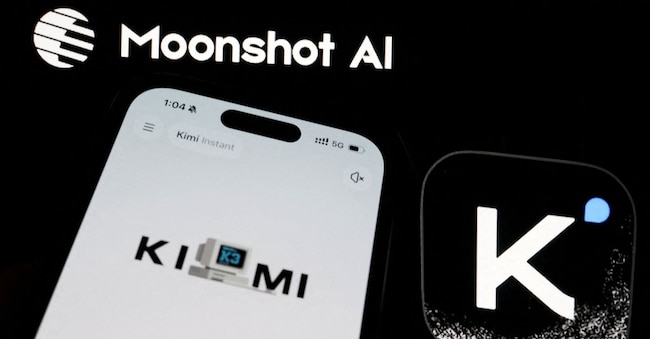
What if the American giants decided to host Chinese artificial intelligence on their cloud platforms? Let’s make one thing clear straight away: this is purely speculative, and the talks reported by Reuters – if confirmed – are only at a very early stage. However, Moonshot AI, the Beijing-based company behind the well-known Kimi K3 model, is in talks with Microsoft, Amazon and Google to sign revenue-sharing agreements that would allow the three American firms to host the model on their own cloud platforms. Given the current context, such agreements would set an unprecedented precedent at a time of major friction between the US and China, particularly in the contest for global leadership in AI.
According to the same sources, the negotiations are at an early stage and there is no certainty that an agreement will be reached. This is partly because the key issues remain unresolved, namely how to split the revenue, what data will be accessible, and what criteria will be used to verify token consumption (the unit of measurement on which pay-as-you-go billing for language models is based). But the very fact that discussions are taking place is news in itself.
Moonshot is reportedly aiming for a share of up to 30 per cent of the revenue generated by K3-related services on Azure, Amazon Web Services and Google Cloud. This is the same percentage that, according to sources previously cited by Reuters, the company has indicated to major clients using the model.
Needless to say, should this scenario materialise, it would be the first significant revenue-sharing agreement between a Chinese artificial intelligence firm and the major US cloud providers. The use of the conditional tense is essential, and not just because of the state of the negotiations. The political context makes the deal far from straightforward. The US Treasury Secretary, Scott Bessent, said as recently as a month ago that he might add Moonshot to the blacklist on which other Chinese companies already feature. Furthermore, some US officials accuse the company of having borrowed elements from Anthropic’s most advanced model, Fable, to build Kimi K3, and of having illegally acquired Nvidia chips. It must be said, however, that these allegations have been rejected by Moonshot spokespeople, who explained to the Chinese newspaper National Business Daily that the progress stems from original modifications to the model’s architecture, and not from the use of Anthropic’s work.
It must be said that the negotiations are taking place against a backdrop of a growing divergence between trade policy and market demand. Washington has banned the export of artificial intelligence chips to China, but Chinese models continue to gain ground in the United States, mainly because they cost far less than their Western alternatives. And the figures from independent assessments do not help those who would like to dismiss the issue. Arena.ai ranks Kimi K3 first in a benchmark measuring the ability to build web interfaces, whilst Artificial Analysis rates its performance as comparable to OpenAI’s GPT-5.5 and Anthropic’s Claude Opus 4.8, particularly on complex tasks involving multiple steps.


