

Chronic pain: medical cannabis is a resource, but fair access and clearer guidance on its use are needed
Grazia Armento, an oncologist and palliative care specialist: clinical experience is teaching us to introduce medical cannabis right at the start of treatment, rather than at the end as a last resort

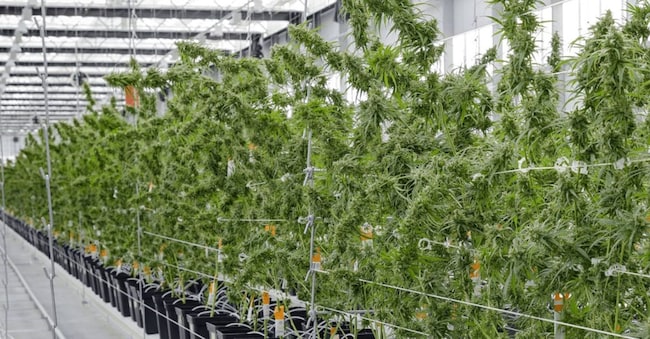
Following the collapse of the Dutch giant Bedrocan, which supplied 80 per cent of Europe’s medical cannabis, a race against time has begun to revise treatment plans and avert the treatment shortfall expected at the end of December when stocks run out.
“We are gradually drawing up treatment plans based on flower heads that can be made available, where necessary, to ensure continuity of care in the event of shortages”, explains Grazia Armento, a palliative care oncologist and Head of Research at the Pain Management and Palliative Care Unit of the European Institute of Oncology (IEO) in Milan. For patients undergoing treatment, follow-up appointments are scheduled at shorter intervals, so as to provide the best possible support and monitoring of the progress of their treatment journey.
“We’re covered by standardised oils,” continues Armento, “and we’re switching prescriptions to flower buds that have a therapeutic profile similar to those that will no longer be available. We’re aware of this shortfall and are working to ensure that ongoing treatments are not interrupted.”
The uses of medical cannabis
Medical cannabis is being widely used in palliative care and for the treatment of chronic and neuropathic pain. “The therapeutic indications set out in the 2015 Ministry of Health decree, which allow for reimbursement by the National Health Service,” emphasises Armento, “relate to pain relief in chronic pain, particularly in cases of neuropathic pain; the reduction of nausea and vomiting caused by chemotherapy, radiotherapy and HIV treatments; the stimulation of appetite in cachexia, anorexia and AIDS; the blood pressure-lowering effect in glaucoma; and the reduction of involuntary movements in Tourette’s syndrome”.
However, there is also off-label use by clinicians, primarily for sleep disorders and anxiety. “But the problem,” explains Armento, “is that when we prescribe medical cannabis outside the guidelines set out in the ministerial decree, the patient has to pay out of their own pocket, facing a financial burden of around 300 euros a month for the purchase of standardised oils.” And there is another problem: the ministerial guidelines stipulate that medical cannabis may only be prescribed at the end of the treatment algorithm, that is, when the patient no longer responds to other medicines. “Clinical experience,” continues Armento, “is teaching us, however, to incorporate medical cannabis in a fully integrated manner right from the start of treatment, particularly in cancer patients whose pain has a significant neuropathic component: combining cannabis with opioid therapy would make it possible to reduce not only the dose but also the side effects of opioids, which are often the cause of non-compliance among our patients”.

