
Cigarette smuggling: 23 precautionary measures and seizures totalling 140 million in Turin
A transnational criminal organisation involved in the illegal production and sale of manufactured tobacco has been dismantled

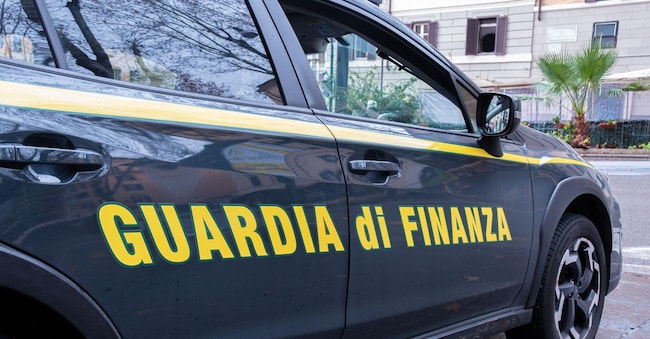
Up to 48,000 packets of cigarettes produced per day and revenues running into the millions. The Guardia di Finanza and the Carabinieri in Turin have dismantled a transnational criminal organisation involved in the illegal production and smuggling of manufactured tobacco products. The large-scale joint operation ‘Chain Smoking’, which involved over 130 officers, led to the execution of 23 precautionary measures against individuals and the preventive seizure of assets worth almost €140 million.
Production
The seizures and precautionary measures, however, are merely the result of a complex investigation that began in recent months: in October 2025, the Turin Financial Police and the Venaria Reale Carabinieri Unit had identified five clandestine factories within the city of Turin and its surrounding area. It was in these very factories that the illegal production of cigarettes took place, with the cigarettes being stored in two warehouses designed for that purpose.
The factories were equipped with fully-fledged production lines, complete with expensive machinery, equipment and technological tools. Specifically, these facilities were concealed within industrial estates in the north of Turin, in the districts of Madonna di Campagna, Barca and Rebaudengo, and in the municipalities of Caselle Torinese, Venaria Reale and Avigliana.
Illegal activity
In recent months, therefore, once the illegal factories had been identified, the police had seized over 230 tonnes of processed tobacco of non-EU origin, 22 tonnes of cigarettes, most of which were already packed in packets, and nearly 538 million components (filters, rolling papers and cardboard for packaging) used in the manufacture and packaging of cigarettes, which bore counterfeit versions of some of the sector’s best-known brands. The production capacity of the factories – sophisticated and fully operational – was considerable. According to initial estimates by the Italian Finance Police and the Carabinieri, the organisation would have been capable of placing at least 35 million packets of cigarettes on the black market, totalling around 700 tonnes of product. C
As the Carabinieri explain, the staff were reportedly made to work under exploitative conditions, with no regard for safety regulations, on gruelling shifts and without any protection. The facilities were powered by generators to prevent spikes in energy consumption from giving away the presence of machinery operating at full capacity. The windows had been blacked out and the interiors were lit solely by artificial light.

