
Robots, circular economy and novel food: 10 start-ups (almost) ready to enter the agro-industrial system
The Vaih Foodtech Incubator selected from 78 projects submitted those that can most help solve the problems of the agro-industrial production system

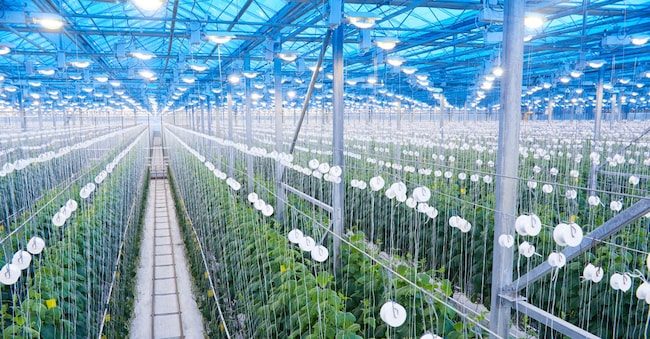
From robots to handle fresh and delicate food with extreme precision, reducing waste and lowering labour costs, to technology that valorises oil production waste, grafting a circular economy onto the supply chain. Moving on to innovative ingredients made by processing vegetable oils. And again: 24-hour pest-proof greenhouse cultivation. New natural and additive-free ingredients to create desserts, creams and alternatives to dairy products. Waste recovery and valorisation. New non-thermal high-pressure C02 technologies to naturally extend the shelf life of fresh food without compromising quality, taste and nutritional properties.
Among the admitted projects is one that develops biodegradable nanocapsules for fertilisers and biostimulants that release active ingredients only when the plant needs them. Based instead on artificial intelligence is the idea of digitising the field notebook that integrates field and warehouse data, labels and specifications, generating treatment plans that comply with European regulations.
There is a common thread linking the ten business ideas that passed the selection - from 78 projects - of Foodtech Incubator, the nationwide scouting programme promoted by Verona Agrifood Innovation Hub (Vaih). This fil rouge is technologies that can have a real impact on the market.
"The ideas we have favoured are those that could solve the problems of the agro-industrial system the most," says Carlotta Candelaresi, senior programme associate and incubation manager of Eatable Adventures (headquarters in Spain, one of the leading foodtech accelerators globally) partnering with Vaih together with a group of industrial realities, credit institutions and institutions in the Veneto region.
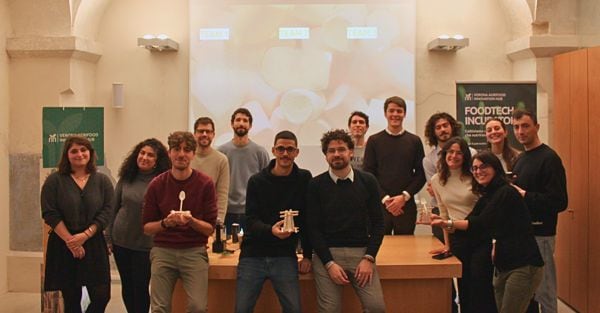
Now these ten business projects have entered the incubation process that will end in February with the presentation to an audience of businesses and potential investors. An articulated path that combines scientific mentorship, business development and entrepreneurial accompaniment, thanks to the coaching system set up by Vaih to transform innovative ideas into agrifood start-ups with the right credentials to scale the market.

