
Foodtech, investments down 38% but the Verona hub relaunches with a new incubator
Agrifood innovation hub launches incubator aims to strengthen synergies between industry, research centres and start-ups: looking for new inputs in Ai and biotech

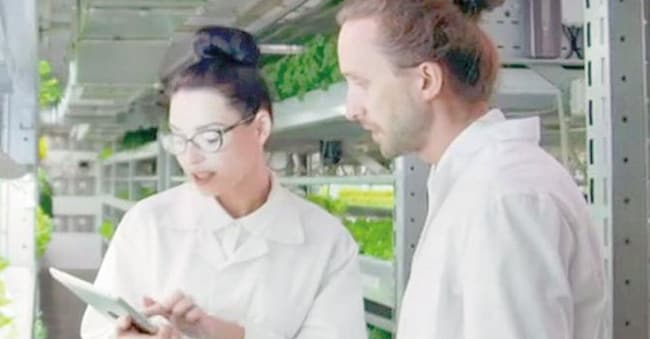
Idee embrionali di nuove tecnologie all’avanguardia per l’agroalimentare. Arrivano già da tutta Italia. A candidarsi, per accedere al percorso intensivo di formazione, mentorship e confronto con aziende e investitori, sono studenti, ricercatori, startupper. Ma anche atenei che hanno allevato e lanciato spin-off. «Il nostro obiettivo è quello di far uscire la ricerca dai laboratori per farla entrare direttamente in contatto con le imprese e con il mercato, superando le difficoltà che ancora ci sono nel trasferimento tecnologico alle aziende», dice Filippo Federico, ecosystem manager del Verona agrifood innovation hub (Vaih), il polo veneto nato due anni fa per disseminare innovazione e formazione nell’agroalimentare, dal campo alla tavola, cercando di stabilire sinergie tra industria e centri di ricerca. Si deve proprio a Vaih il lancio di Foodtech Incubator<
Partners: universities, banks, accelerators
Foodtech Incubator is the result of the collaboration between Eatable Adventures - one of the leading foodtech accelerators at global level - and a group of leading institutional and industrial partners in the Verona area, such as Fondazione Cariverona, UniCredit, Comune di Verona, Veronafiere, Confindustria Verona and Università degli Studi di Verona. Then two industrial realities in the sector, Vason Group, a giant in the field of oenological products, and Molino Padano (professional and industrial flours), which has its production plant in Salara, in the province of Rovigo.
The potential is there, as demonstrated by the latest edition of Foodseed, a programme to support start-ups, from which new innovative companies have emerged such as the Emilia-based Mama Science (biomaterials for food packaging), Nous Energy (Piedmont) which with Koncentra has developed an alternative to caffeine that improves cognitive performance, and the Veneto-based Asteasier (biotechnologies for the sustainable production of natural ingredients for animal feed and nutraceuticals).
Too many spot collaborations with universities
Last year, only a little over 15% of new technologies for agrifood were born out of collaboration with a university, while almost 77% were developed within the start-up itself. 'All companies have CEOs working on innovation, but the problem is to act within the framework of open innovation,' Federico continues, 'and to find new points of contact between research and business.
Vaih is trying to identify all the needs of companies. "We have seen that the most in-demand technologies are those related to artificial intelligence, biotech and the internet of things," explains Federico. This mapping is also necessary to select the most interesting ideas.

