
Civil partnerships: 24,000 partnerships formalised over 10 years
The legal framework remains incomplete: from parenthood to adoption, many issues continue to be left to the courts to decide
by Greta Ubbiali
 Aggiungi Il Sole 24 Ore
ai preferiti su Google
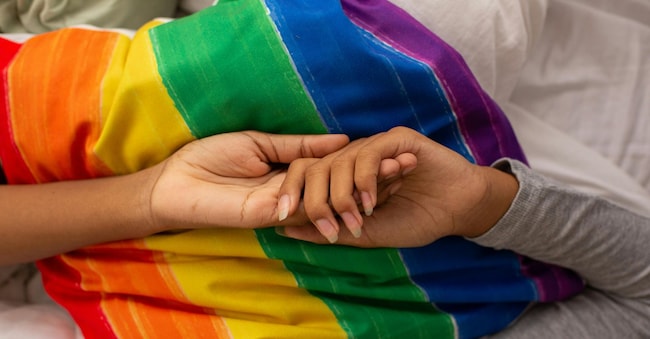
Ten years on from the passing of the Civil Partnerships Act, around 50,000 people have formalised their relationships in Italia, cementing a change that has significantly transformed the landscape of civil rights in the country.
The decisive step came in May 2016, when the Chamber of Deputies passed the bill known as the ‘Cirinnà’ bill – named after the MP who was its first signatory – by 372 votes to 51. The legislation introduced into Italian law a legal institution reserved for same-sex couples, recognising for the first time a stable form of protection for same-sex relationships.
Whilst not equating civil partnerships with marriage – which remains reserved for heterosexual couples – the law extended to gay and lesbian couples most of the rights and obligations afforded to spouses: from the survivor’s pension to mutual care, right through to inheritance rights. However, certain key issues remained excluded, starting with joint adoption and the full recognition of children raised in same-sex families. These issues have, over the years, been addressed primarily through case law, in the absence of further legislative action. Another difference compared with marriage is the absence of an obligation of fidelity, a choice that formed part of the political compromise necessary for the reform’s approval.
The impact of the new legislation was immediate. In 2017, the first full year of implementation, there were 4,376 registered civil partnerships, the highest figure in the entire historical series. This figure was bolstered by the emergence of many couples who, after years of living together, decided to formalise their relationship quickly.
In the years that followed, the trend gradually stabilised. According to Istat data, between 2016 and 2024, around 24,000 civil partnerships were registered. In 2024, the most recent year for which consolidated data is available, there were 2,936 registrations, equivalent to five per 100,000 residents, down by 2.7 per cent on the previous year. Male couples account for 54.8% of the total, whilst in 18.1% of cases at least one of the partners is a foreign national.

