
Climate crisis: insurers are trialling new types of policies
Compensation is triggered when certain parameters are met. The Willis (Wtw) pilot project on the Caribbean coral reef

Climate change does not merely alter temperatures, rainfall and the frequency of extreme events. It also changes the way in which regions, businesses and public authorities must assess their investments. An excessively hot summer can reduce the appeal of a tourist destination, drought can jeopardise agricultural production, and an extreme weather event can damage infrastructure. In all these cases , the problem is not just how much the damage costs, but the price paid for failing to foresee in good time how the risk would change . It is from this perspective that climate risk management is shifting from responding to events to the ability to anticipate them.
There are already numerous examples: temperatures reaching 44 degrees during the Ferragosto holiday can make beaches virtually unusable during the middle of the day and alter tourist flows; high-quality crops, such as Pachino tomatoes, can be put at risk by sudden and violent downpours. These are not necessarily isolated incidents, but signs of a wider transformation: “It will be a complete revolution in the value chain of local businesses and tourist flows,” comments Piergiorgio Vella, Director of Risk & Analytics at WTW. ‘Protecting the environment means safeguarding local communities, traditions and culture. Those who adapt first will survive; those who do not will face an unsustainable structural imbalance between costs and revenues.’
This issue also concerns investments that have already been made. Hotels, holiday resorts, infrastructure and commercial premises were designed on the basis of seasonality and climatic conditions that were considered to be relatively stable. If these conditions change, so too does the ability of those investments to generate the expected return.
Measuring risk
The first step is to assess the risk. “We can carry out actuarial studies to understand when and how a given area will be affected by climate change and extreme weather events, and combine these with engineering assessments,” explains Federico Veltri, Head of Risk Engineering, Risk & Analytics at WTW. The analysis may concern an ecosystem, a livestock farm, an agricultural plot, a piece of infrastructure or a public authority. The aim is to identify possible scenarios in advance and understand where it is most effective to take action.”
A model for ecosystems from the Caribbean
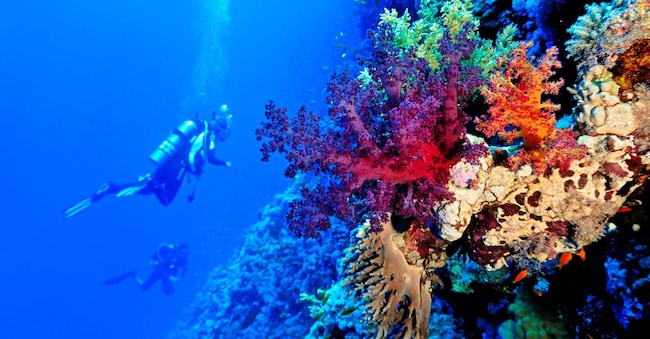
It is in this direction – centred on the importance of risk measurement – that the pilot project announced by Willis, a WTW company, and the Caribbean Biodiversity Fund to protect Caribbean coral reefs from hurricanes fits. The solution utilises a ‘dynamic Cat-in-Circle’ parametric cover, in which the payout does not depend on traditional damage assessment, but on the fulfilment of pre-defined objective parameters.

