
CO2, price rises above 90 euro: highest peak since 2023
For Ets emission permits +190% in the last 5 years. Acceleration at the beginning of 2026. Analysts: this year will exceed 100 euro

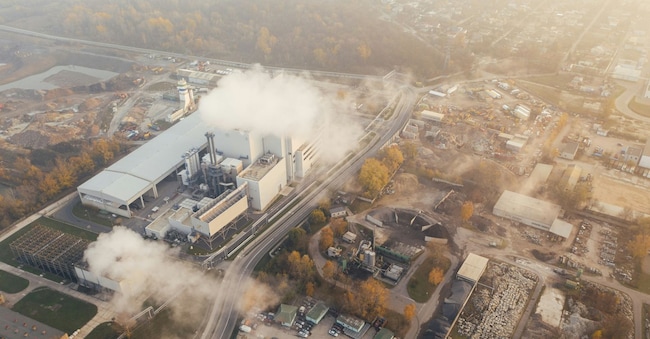
CO2 prices on the rise at the start of 2026: the cost of emission permits linked to the European ETS (European emission allowances) are pointing upwards. On Friday 16 January, the reference future closed at EUR 92.2 per tonne: the highest value of a run that began in the spring of 2025, after the lowest peak in April at EUR 62.5 per tonne. Since then, the climb has been continuous, with EUR 70 exceeded in May, EUR 80 in October, and EUR 90 now in early January. It is now back to the levels of April 2023, after the price had passed the record threshold of EUR 100 per tonne in February of that year.
For years, CO2 prices have travelled below EUR 10, only to start after 2020 an impetuous growth to today's values: in five years, price increases have been 190%. In the last three months the increase has reached 18%, +4.5% in the last week alone.
Reasons for growth
Reasons? Some analysts point to the recent increase in natural gas costs, linked to a cold wave that has pushed and will continue to push gas consumption for heating, and the reduction of nuclear power supply from France - after a 4-gigawatt plant was taken out of service due to damage caused by storm Goretti - resulting in more fossil-fuel burning plants. All factors that should stimulate demand for emission permits.
As gas becomes more expensive, power plants using it become less competitive, pushing utilities to burn coal, which is more polluting, a change that increases demand for emission permits. At the same time, forecasts indicate stable weather in north-western Europe, which means that wind power will decrease.
Diminishing the offer
There is also another background condition: CO2 prices have been on an upward trend for months, in the face of a reduction in permits after years in which their number increased instead. Revenues from taxes in the EU on emissions tripled between 2017 and 2023, from EUR 15 billion to EUR 51 billion, Eurostat certified on Thursday 15 January, pointing out that the share of CO2 taxes in total energy taxes rose from 6% in 2017 to 19.7% in 2023. With the energy sector contributing 30.1% of the total, followed by the manufacturing sector with 29.4%. Companies that are within the ETS have to buy emission permits equal to their CO2 production. To achieve decarbonisation, however, these permits must decrease over the years: -90% by 2040 is the emission reduction target that Europe has set itself.


