
COP 31: a target of 35 per cent of electricity consumption by 2035
COP31 opens in Antalya, Turkey, on 9 November. The event will be chaired by Murat Kurum, the Turkish Minister for the Environment. 100,000 people are expected to attend.

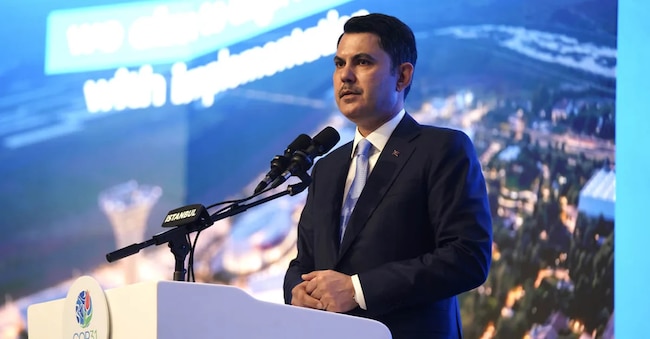
From 9 to 20 November, climate diplomacy moves to Antalya for a challenge that brooks no delay: turning international protocols into concrete projects and tangible progress. At COP31 (heads of state will be in attendance on 11 and 12 November), over 100,000 people are expected to attend, including national delegations, businesses, the financial sector and civil society, all called upon to discuss the cost of decarbonisation and the capital required to support it.
Turkey and Australia
The summit opens under an unprecedented diplomatic dual leadership: Turkey holds the formal presidency of the event, represented by Environment Minister Murat Kurum, whilst Australia is steering the political discussions. This complex balance will see negotiations, across the various chapters of the Paris Agreement, focus on three key pillars for the transition of production chains and markets.
The top priority is to accelerate electrification and ensure the resilience of the grids: the operational objective is to meet the target of 35 per cent of final electricity consumption by 2035, by boosting energy storage and renewables to keep energy costs down for businesses, whose global average stands at around 0.17 dollars/kWh (data from GlobalPetrolPrices), with double-digit annual price rises in Europe.
Finance and climate adaptation
This is followed by a discussion on climate finance, focusing in particular on the use of blended finance (a form of finance that uses public funds to mitigate risk and attract private capital) and on the safeguards needed to support the transition in emerging economies.
Finally, climate adaptation: the protection of civil infrastructure and the safeguarding of the agricultural sector are key priorities, as the sector is affected by crop losses totalling over 144 billion dollars a year (FAO data) due to droughts and extreme weather events.

