

What is a microcytoma, the tumour affecting smokers that has struck Emma Bonino?
This type of small-cell cancer is a rare form of lung cancer, accounting for around 15 per cent of all lung cancers and affecting mainly smokers and former smokers

Key points
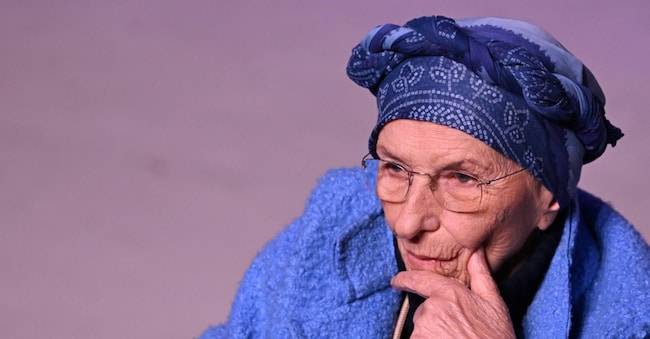
Emma Bonino, the long-standing leader of the Radical Party, has died in Rome at the age of 78. She had been admitted on 7 September to the Santo Spirito Hospital in Rome – a well-known hospital in the city centre – and had been transferred to intensive care a few days earlier following a respiratory crisis, before being moved to a private facility. Emma Bonino’s medical history was marked by lung cancer – more specifically, a microcythoma – which had struck her left lung in 2015, forcing her to undergo many years of chemotherapy. Microcytoma is one of the most aggressive forms of lung cancer and, in the majority of cases, affects smokers or former smokers. After a full eight years of treatment, she herself announced that she had successfully completed her treatment without ever giving up her beloved political work.
What is a microcythoma, the tumour that affects smokers
This type of small-cell lung cancer, also known as microcytoma or small-cell lung cancer (SCLC), is a rare form of lung cancer, accounting for around 15 per cent of all lung cancers and affecting mainly smokers and former smokers. Treatment options include surgery – though this is limited to around 1 in 20 patients – radiotherapy and chemotherapy. In recent years, there has also been an increase in the use of immunotherapy with innovative treatments, although these are not curative. Although treatments have improved, survival rates for this type of cancer remain very low: the latest estimates suggest that around 10 per cent of patients with small cell lung cancer are still alive five years after diagnosis. In Ms Bonino’s case, survival following this deadly cancer was even longer – over ten years. One of the most significant problems associated with small-cell lung cancer is late diagnosis, partly because the symptoms – ranging from a cough to breathing difficulties – are also present in many other common conditions; consequently, there is a real risk that the cancer is only detected when it is at a very advanced stage. Every year in Italia, around 5,000–6,000 people are diagnosed with small-cell cancer.
The medical history of the long-standing Radical Party leader
She was diagnosed in 2015 and had subsequently recovered by 2023. In October 2024, the former minister was admitted once again to the hospital in Rome’s historic centre for respiratory problems, again requiring intensive care. She was subsequently transferred to the Stroke Unit at San Filippo Neri and discharged after about a week. Doctors had ruled out a recurrence of the lung cancer she had been diagnosed with in 2015, attributing her illness to a metabolic problem. Ten years ago, she announced her lung cancer diagnosis – from which she had recovered – during a live broadcast on Radio Radicale. “I recently underwent medical tests which revealed the presence of a tumour in my left lung. It is a localised tumour and is still asymptomatic, but it will require a long and complex course of chemotherapy, which has already begun and will last at least six months. I have no intention of stopping my work because you don’t walk away from a passion such as politics, but it is clear that my activities will have to be organised in line with my medical needs.”

