

CT scan alarm: radiation could cause 5% of tumours
According to an investigation by the University of California, San Francisco, the widespread use of computer tomography scans could cause over 100,000 malignancies a year in the US alone

2' min read
2' min read
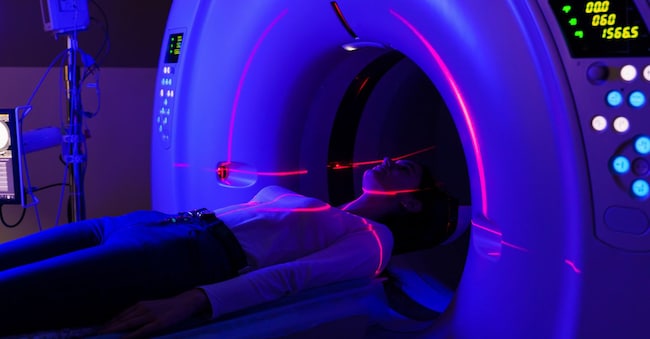
How high is the risk of developing cancer due to radiation emitted by CT scans? A new estimate by a team of researchers at the University of California San Francisco (Ucsf) suggests that the most common scans could be responsible for around 5% of all cancers diagnosed each year. The findings were published in the journal Jama Internal Medicine.
Infants and children most at risk
.According to the study, the ionising radiation emitted during these examinations - although essential for the diagnosis of many diseases - can significantly increase the risk of developing future cancers, such as lung, breast, bladder or thyroid cancer. Infants are the most vulnerable, with an estimated risk ten times higher than adults.
"CT scans can save lives, but their potential side effects are often ignored," explains the study's first author, Rebecca Smith-Bindman, a radiologist and epidemiologist. "With the current level of use, if we do not change our approach, we could see a significant increase in cancers in the future.
Imaging among risk factors
.The analysis included more than 93 million examinations of 61.5 million patients in 2023 and, according to the researchers' calculations, this could translate into more than 103,000 new cancer cases. A number three to four times higher than previous estimates (since 2007, the number of annual examinations has increased by 30% in the US). This puts computed tomography among the risk factors for cancer on a par with excessive alcohol consumption or obesity.
The incidence of scans increases with age, peaking between the ages of 60 and 69. Children accounted for 4.2% of the total CT scans. Examinations performed in the last year of a patient's life were excluded from the analysis, as they do not correlate with future tumour development. In the projections, adults aged 50 to 59 years had the highest number of tumours potentially caused by radiation (10,400 cases among women and 9,300 among men).


