

From cancer to newborn screening to anorexia: the new list of free treatments for citizens
The updated list of services that the National Health Service is required to provide throughout the country comes into force today

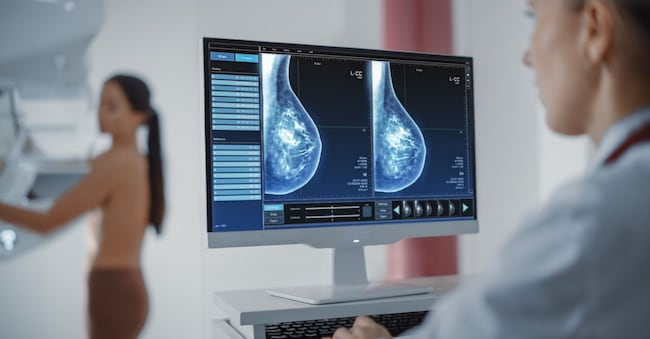
From targeted breast cancer screening to nine new tests – with neonatal screening extended nationwide – to detect any rare diseases immediately after birth, as well as to identify spinal muscular atrophy (SMA), where prompt intervention makes all the difference to the lives of children and their families. From the introduction of new tests during pregnancy to the updating of radiotherapy services, again within the field of oncology.
From 1 October, citizens throughout Italia have access to the new treatments offered free of charge or subject to a patient contribution by the National Health Service: those Essential Levels of Care that had not been updated since 2017, when the then Minister of Health, Beatrice Lorenzin, in turn revised the 2001 list, drawing up a new one which, however, remained for a long time without a fee schedule; this schedule has only come into force in recent days for specialist outpatient care and prosthetics.
The new list becomes fully operational following a tumultuous process: an initial false start in 2024, blocked by protests from accredited private providers who, through a series of appeals to the Regional Administrative Court (TAR), secured a partial (upward) revision of the remuneration for the services they provide.
There remains the ‘shortfall’ in a comprehensive package of services – for which, from 2025, a fixed allocation of 200 million is earmarked from the National Healthcare Budget – in relation to which regional governors have, over the years, repeatedly called for a massive increase in resources. The latest request came this week in the form of a document from the Health Commission of the Conference of Regions, though it focused primarily on staffing and innovation: an additional 18 billion to be found in the budget over the next three years.
Schillaci: a ‘fairer’ healthcare system
The changes come into effect today with the publication in the Official Gazette of the Prime Ministerial Decree (DPCM) and the updated Ministerial Decree (DM), which revise that ‘list’ and – comprising some 800 services this time – bear the signature of the Minister of Health, Orazio Schillaci. He promises: ‘We are writing a decisive chapter to provide citizens with a National Health Service that is more modern, fairer and better attuned to their actual healthcare needs. This is a measure I have strongly championed to guarantee all Italians, wherever they live, access to innovative treatments and services. So that there is no ‘first-class’ and ‘second-class’ healthcare, but rather a fairer National Health Service for everyone. This has been a government objective ever since we took office.”
Schillaci refers to the wide-ranging regional differences: individual local authorities are in fact permitted to provide so-called ‘extra LEA’ services, funded from their own resources, but these inevitably leave behind citizens in regions that have not introduced them. This creates the paradox that a neonatal test may be offered in one region – such as Apulia, which has made birth screening a flagship of its health policy – but not in a neighbouring region, thereby infringing upon the right to health enshrined in Article 32 of the Constitution.

