
From podium to success: what the Olympic Games teach managers
The experts at Hogan Assessments studied the performance of Olympic athletes and identified three factors that also make a difference in the working world

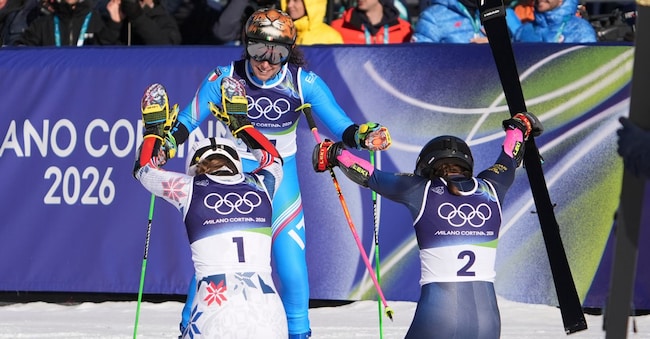
An error of judgement, a split second delay and the fine line between triumph and regret becomes definitive. The Olympics, and the winter ones are no exception, condense into a few moments what happens, with longer times but similar dynamics, in professional careers as well: preparation, pressure management, personality and execution skills determine who gets on the podium and who stays off it.
It happens on the rinks and ice rinks, where an early gesture or a flawless performance inexorably changes an athlete's sporting trajectory. But it happens every day in companies, at times when a decision or negotiation can mark a breakthrough or an abrupt halt in a manager's career path.
With the Milan-Cortina 2026 Games in full swing, the parallelism between sport and management is back in the news and the experts from Hogan Axisssments (an international company specialising in personality analysis) have studied the performance of Olympic athletes and identified three factors that make a difference in the world of work as well. Success, this is the assumption, is not the result of talent alone but of a more complex balance that combines discipline and long-term reliability, absolute concentration in decisive moments and the ability to compete without compromising collaboration. Levers that, in the company, can transform potential into measurable results. We talked about this with Allison Howell, the new CEO of Hogan Assesments.
The Games remind us how a single mistake can undo years of preparation. In the working world, what mistakes can a manager make in order not to 'stand on the podium'?
One of the most common mistakes is to think that technical competence automatically guarantees success. In leadership roles, in fact, failure rarely stems from a lack of specific skills, more often it stems from behaviour under pressure. Overconfidence, defensive attitudes or an inability to listen can silently erode trust and credibility. Another frequent mistake is neglecting self-awareness: high performers tend to push even harder when stress increases, without realising how stress changes their behaviour and makes them controlling, impatient or aloof precisely at the most critical moments. In the current context of complexity and uncertainty, those leaders who do not know how to adapt their style to the situation or the people often fail.

