
Daylight saving time all year round, Italy starts the process: 352,000 signatures collected to make it permanent
Initiative of the Italian Society of Environmental Medicine (Sima), Consumerism Non-profit and MP Andrea Barabotti (Lega)

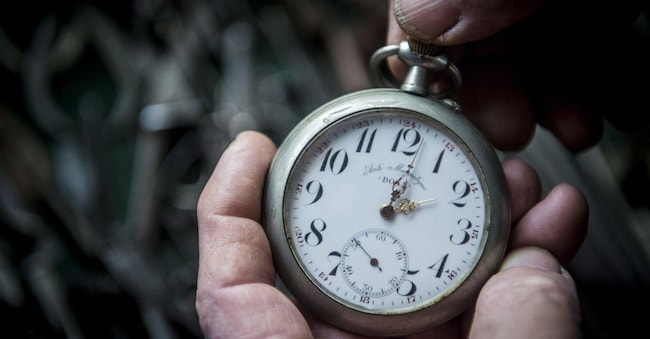
A cognitive enquiry with the aim of arriving at a bill to get permanent daylight saving time, and over 350 thousand signatures deposited by citizens to this effect. Appointment tomorrow at the Chamber of Deputies promoted by the Italian Society of Environmental Medicine (Sima), Consumerism Non-profit, and the deputy Andrea Barabotti (Lega), with the aim of starting a parliamentary procedure to say goodbye to daylight saving time in our country, adopting daylight saving time all year round. By 30 June 2026, if approved, this will lead to a legislative proposal on permanent daylight saving time.
The stages of the route
In 2018, the promoters explain in a note, "the European Commission had launched a public consultation in which 4.6 million European citizens participated: 84% were in favour of abolishing the time change. In 2019, the European Parliament approved a proposal for a directive to leave the individual states the freedom of choice, but the issue has remained unresolved'.
The expected savings
"From 2004 to 2025 daylight saving time has led to bill savings totalling 2.3 billion euros, equal to lower energy consumption of over 12 billion kWh (Terna data), and has reduced CO2 emissions into the atmosphere between 160,000 and 200.000 tonnes less per year, equal to the amount absorbed by planting 2 to 6 million new trees," Sima and Consumerism point out. "It is estimated that maintaining summer hours all year round could generate annual savings of around 720 million kWh, with benefits in the bill of 180 million euros. Positive effects also include an increase in consumption in the retail and catering sectors, an extension of the tourist season, and an improvement in public safety, without forgetting the benefits on the health front, considering that the changeover to summer time alters the circadian rhythmicity".

