

People with dementia: 'friendly communities' bid to become public policy
Over two hundred projects in ten years have been designed together with the people concerned and not simply for them: the next National Dementia Plan is an opportunity to structure these experiences with stable resources
by Mario Possenti *
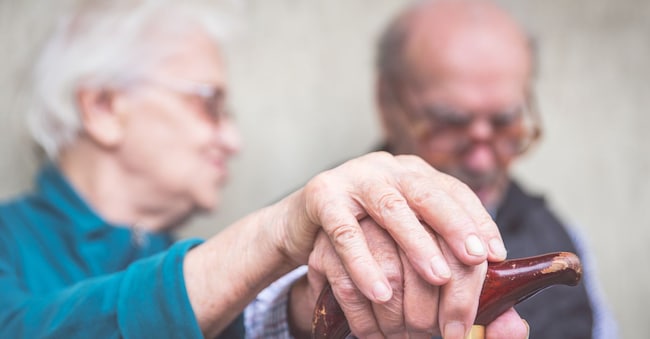
Ten years ago, with the pilot project in Abbiategrasso, the first 'Friendly Community of People with Dementia' was born in Italy. Today there are over seventy of them, distributed in thirteen regions. It is an anniversary, but the most useful way to celebrate it is not to list the achievements. It is to ask what the country intends to do with them.
Patients co-deciding
Friendly Communities are born from a simple idea. Dementia is much more than a clinical issue, it affects the daily lives of people and their families: shops, transport, schools, cultural venues. A Friendly Community is an area that chooses to become more aware and welcoming, through the training of those who work in contact with the public and tailor-made activities. In ten years, this work has trained thousands of citizens and reached one in four people with dementia living in the areas involved. But the most significant fact is another: more than two hundred projects have been designed together with people with dementia, and not simply for them. People living with this condition are not the recipients of a service, they are part of the decisions that affect them.
I Dementia Friendly Hospital
The same principle is entering care settings. The hospital is the place where the person with dementia encounters the health system at the time when he or she is most fragile, and a ward or an emergency room that is not prepared to welcome him or her can aggravate his or her condition and lengthen the time of care. With the Dementia Friendly Hospital project, the Alzheimer Federation, together with several hospitals and after a survey involving around 170 hospital professionals and 800 family members, has drawn up the Guidelines for making Italian hospitals 'Dementia Friendly', a document with operational indications for hospitalisation and emergency rooms published a few days ago.
Friendly Communities and Friendly Hospitals, however, share the same limit. They are experiences held together by the commitment of associations, local authorities, hospitals and volunteers. They live on projects and projects have a deadline. Guidelines that no one is obliged to apply and communities that depend on calls for proposals to implement projects remain fragile. An approach that has proven to work should not depend on the goodwill of those who take charge in one area, leaving the one next door uncovered.
A political theme
This is where the issue becomes political. The new National Dementia Plan is expected later this year. This is an opportunity for a precise step: recognising the Friendly Communities and the Guidelines for Hospitals, as structural components of the national strategy, supported by stable resources and a connection with regional planning, and not as meritorious initiatives left on the sidelines. And since the Friendly Communities operate in transport, commerce, culture and schools, the Plan must have a direction capable of holding together health, social policies and local authorities, and not depend on a single ministry.

