

Despite Russia’s veto on the Sahara, the UN backs Morocco’s autonomy plan
Debate at the United Nations General Assembly ahead of the expiry of the MINURSO mission. Moscow has reiterated its support for Algiers. The US, the EU, the Gulf states and most African nations are backing Rabat.
by 24Ore NextMed
 Aggiungi Il Sole 24 Ore
ai preferiti su Google
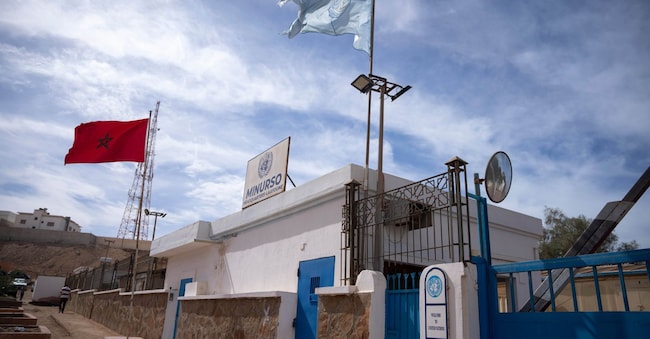
The debate continues at the UN on the future of the MINURSO mission and the Western Sahara. Indeed, broad international support emerged for the plan for autonomy under Moroccan sovereignty during the meeting of the General Assembly of the United Nations, held on 10 November to examine the veto lodged by Russia, on 30 October, against the US resolution to renew MINURSO’s mandate, which was supported by eleven members of the Security Council. The session highlighted significant diplomatic consensus around the Moroccan proposal, which many countries regard as the most realistic and viable solution to end a dispute that has lasted for over fifty years.
The American and Russian positions
The US Ambassador to the UN, Mike Waltz, has reiterated Washington’s full support for the Moroccan plan, describing it as the only viable path towards a lasting peace and deeming the prospect of a referendum unrealistic.
Russia has defended its decision, whilst Algeria, South Africa, Namibia and East Timor maintained their support for the independence referendum, in contrast to the growing international backing for the Moroccan proposal. Opening the debate, Anna Evstigneeva, Deputy Permanent Representative of the Russian Federation to the UN, attempted to lend a veneer of legitimacy to Moscow’s decision. The diplomat argued that the draft resolution prepared by the United States deviates ‘radically’ from the objective of a balanced solution. Defending the right of veto as a ‘mechanism of deterrence and correction’, she justified Russia’s obstruction on the grounds of the need to impose a return to the status quo.
The speech in Algiers
The Deputy Permanent Representative of Algeria to the United Nations put forward the argument that there had been an alleged attempt to ‘legitimise the occupation by creating a fait accompli’, repeating the slogan of self-determination – that is, a referendum – and denying its status as a party to the conflict.
Strong support for Rabat also came from the Gulf Cooperation Council countries and several African states, including Côte d’Ivoire, Guinea-Bissau, Equatorial Guinea and Madagascar. The Nordic countries also expressed regret at the Russian veto, highlighting the risks to regional stability.

