

Diabetes: basal insulins immediately available in pharmacies, 'more hospital drugs soon'
Undersecretary Gemmato: 'It is crucial for the many chronically ill, of whom there are four million diabetics alone, to encourage proximity of care'

Key points
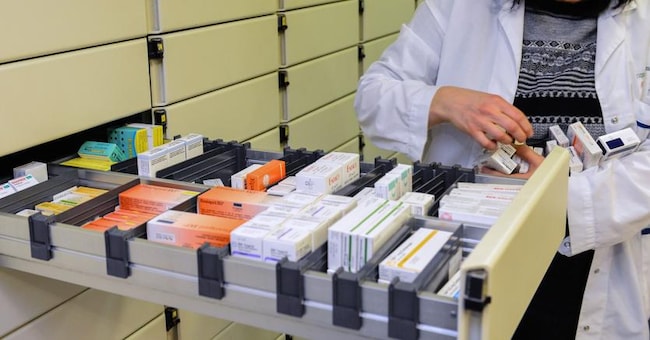
Here comes the turn of the so-called long-acting basal insulins, which for thousands of diabetic patients will soon be available in their local pharmacy without the need to go twice first to reserve them and then to return to collect them often the next day. In short, without too many steps and bureaucracy, which especially for chronic patients - there are 4 million diabetics in Italy alone - can be an extra burden. After the passage of glyptine-based anti-diabetic drugs and glyfozines, the Italian Medicines Agency is ready to give the go-ahead in the next few days for the transition from direct regional distribution on account - the local health authority buys the drugs and then instructs pharmacies to distribute them - to direct distribution in public and private contracted pharmacies. But this step is only a new step in a much longer journey in this direction: "The objective of this gentle revolution," explained Health Undersecretary Marcello Gemmato, who devised this measure, "is to bring 90% of the drugs from direct distribution to distribution in the territory, meeting the needs of citizens.
Passing basal insulins at the pharmacy
These types of insulins - normally injectable drugs - are called 'basal' because they mimic the basal insulin secretion of the healthy pancreas, i.e. the continuous and constant amount that the body produces even on an empty stomach to keep blood sugar stable between meals and at night. They contrast with the so-called rapid or ultrarapid insulins that are always used by diabetic patients at meals. These types of insulins accounted for approximately 177 million in direct pharmaceutical expenditure by the local health authorities in 2025 and will now enter the account of so-called conventioned expenditure (that of pharmacies). As provided for in the budget manoeuvre of 2024, every year by 30 March, the Medicines Agency must decide - having consulted the Ministry of Health - which new category of pharmacy to transfer directly to the 'direct sale' of pharmacies. In practice, in the case of drugs transferred from 'Distribuzione Per Conto' to 'Distribuzione Convenzionata', patients will no longer have to wait for the medicine purchased by the local health authority to be ordered and arrive at the pharmacy, but will be able to receive it immediately as it is already available in the pharmacy next door. In the next few days, Aifa should therefore assess the final transfer of 'long acting' insulins, a dossier that will end up being examined by its Scientific and Economic Commission (CSE).
Gemmato: 'Easier life for patients and more savings'
Gemmato also reiterated the savings of this transfer of medicines to pharmacies after the controversy of recent weeks over the additional costs for the SSN: "The data confirm the goodness of the choice," the Health Undersecretary stressed again, "According to Aifa, the reclassification of glyflozines has generated savings for the National Health Service of 9.2 million euros between September and November 2025, with an annual projection of about 36.5 million. We are talking about 3.4 million packs, with consumption in line with expectations and savings also achieved thanks to the negotiations conducted by Aifa with pharmaceutical companies". "In concrete terms," he added, "it means more access to essential medicines, less bureaucracy, and care closer to citizens, especially the elderly, who can now pick up their medicines directly from their homes, without having to go to the pharmacy twice". In the same vein, Aifa President Robert Nisticò: 'The central theme is that the citizen gets closer to the medicine. It is essential to get to the doorstep, especially in remote, inland areas, with a very elderly population. Italia is the second oldest country in the world, which means polypharmacy, chronicity, vulnerability. Here, if we manage to take a step in that direction and thus bring the medicine more and more to the citizen, it can improve therapeutic adherence'.
Asl and industry: "Good proximity of care"
Reforms that concretely change access to therapies and promote the role of pharmaceuticals as a tool that creates value for the SSn and the Nation are positive," emphasises the president of Farmindustria, Marcello Cattani, stressing that "right now we need urgency, because the world is changing at the speed of light around us and we have to decide whether we want to lead the change or be dragged along". For Cattani, 'the proximity of care for patients through contracted distribution, while respecting appropriateness, simplifies care pathways, improves therapeutic adherence, and improves caretaking. It is proof that targeted governance choices, "attentive to the needs of citizens, respectful of the balance of expenditure and sustainability for industry investments, generate concrete benefits for health and for the SSN itself". Positive comments were also made by Giuseppe Quintavalle, President of Fiaso Federazione italiana aziende sanitarie e ospedaliere (Fiaso): "What we are experiencing is an epochal change, from which there is no turning back. Accessibility is strengthened by teamwork: between institutions, territorial services, professionals, pharmacies, businesses and communities. In this sense, the work that the Ministry of Health has initiated and is consistently pursuing to accompany the evolution of pharmaceutical legislation and to bring access to care closer to citizens is important".


