

Diet: how AI deceives adolescents and paves the way for eating disorders
Study reveals that artificial intelligence, compared to the specialist, decreases calorie intake too much by favouring protein and fat

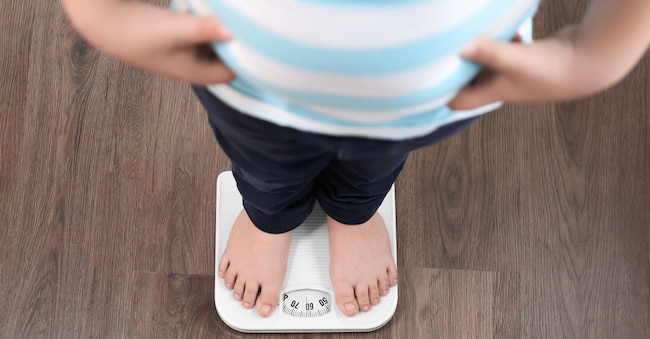
To know and be informed is all very well. But be careful not to overdo it by trusting Artificial Intelligence with the diet to be observed in order to lose weight and control body weight. In short, caution is needed in adolescents. Perhaps even more than in other age groups, although for everyone it must be the specialist who offers targeted indications based on a holistic vision of the person that goes beyond the response of the scales. Because there is the risk that the diet plan may turn out to be excessively restrictive on the quantitative front, with a truly exaggerated drop in calories, but above all out of line in terms of quality, with a relative protein and lipid intake that is too accentuated. In short, there is the risk of creating a combination that, over time, could open the way to unhealthy attitudes to the point of representing a potential 'springboard' for future eating disorders. Pointing out the merits and, above all, the limits of Artificial Intelligence is research that appeared in Frontiers in Nutrition, conducted by experts from Istanbul Atlas University (first name Ayşe Betül Bilen).
An original study
Turkish researchers compared the food planning capabilities of five artificial intelligence models and asked them to create food plans for adolescents seeking weight loss, comparing the proposals with those provided by a specialist in Food Science. Five free AI tools - ChatGPT 4, Gemini 2.5 Pro, Bing Chat-5GPT, Claude 4.1 and Perplexity - were queried to create food plans based on information about the age, height and weight of the person for whom the plan was intended. Above all, to follow the guidelines they were asked to think of a three-day food plan considering three meals and two snacks per day. The food plans were created for four 15-year-old adolescents, one boy and one girl who were overweight and one boy and one girl who were obese. When the AI-generated food plans were compared with those drawn up by a dietician specialising in adolescent diseases, the results showed that the AI models calculated energy requirements on average almost 700 calories less than the dietician. All this with potential repercussions on the well-being of young people.
Too much protein
Already such a marked decrease in calories gives one pause for thought. Not least because it basically means skipping a full meal. But that's not all: on the quality front, too, the AI took a few 'patches' compared to the specialist. "The diet plans generated by the AI consistently deviated from the recommended macronutrient balance, which is particularly problematic for adolescents," Bilen reports in a press note. In particular, the AI models recommended a higher protein intake on average, about 20 grams per day more than a dieter, resulting in a protein share of 21-24% of the total energy intake. The lipid intake recommended by the AI was also much higher than the plans drawn up by a dietician, with lipids accounting for 41-45% of energy intake. The amount of carbohydrates, however, was significantly lower in the IA plans, with an average difference of about 115 grams, meaning that only about 32-36% of the energy intake came from carbohydrates. In short, on the quality front we are really far from the guidelines' indications of a growing organism.
Customised approach required
This study, in conclusion, gives pause for thought. And it raises the question of whether artificial intelligence-generated diets for adolescents underestimate energy and nutrients in a clinically significant way compared to plans prescribed by experienced professionals. "An algorithm can calculate calories and grams, but it tends to underestimate the importance of really getting to know the person: clinical history, medications, comorbidities, weight history, family and school context - comments Santo Colosimo, Medical Specialist in Food Science at the Obesity Centre and Nutritional Research Laboratory, IRCCS Istituto Auxologico Italiano - Milan. I think it is essential to remember that diets prescribed by doctors are real therapies and require specialist skills that cannot be reduced to standardised schemes. Nutrition is not a simple application of biology, but the result of a complex integration, at the level of the central nervous system, between metabolic signals, bioenergetic needs, emotions, cognition and lifestyle habits'. Moreover, it is precisely these neuroendocrine and neurocognitive signalling systems that represent the target of new drugs for obesity, confirming how eating behaviour is rooted in the brain and not only in the stomach'. 'An AI system, as it is designed today, is not capable of grasping and integrating this individual complexity, nor of taking clinical responsibility for its indications,' concludes the expert. 'Therefore, what emerges from the study is not the result of a mere academic exercise, but a wake-up call on the seriousness of the improper uses of AI to generate nutritional plans, uses that we unfortunately encounter more and more often in our daily practice with our patients, too'.

