
Digital and AI are having an ever-greater influence on fashion and beauty purchases
A preview of the findings from the NetRetail Fashion survey by Netcomm and Veepee, which highlights the growing use of technology to guide purchasing decisions. Italia, however, is lagging behind in omnichannel integration

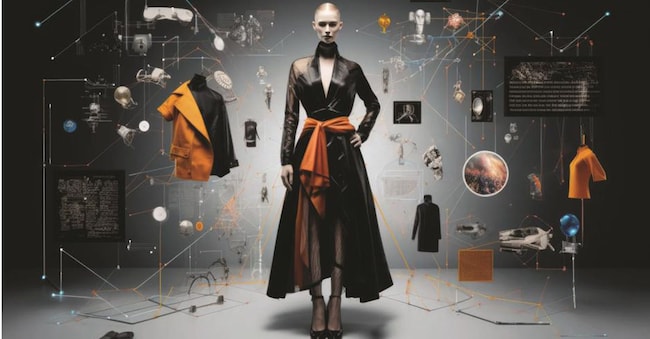
More platforms, more second-hand shopping and more artificial intelligence. This is the new landscape of the Italian Fashion & Beauty market. 70.7 per cent of consumers use both physical and digital channels, equating to 25.3 million shoppers; 7.3 million shop exclusively online (+11 per cent year-on-year) and 3.1 million exclusively offline. The figures come from the NetRetail Fashion study, conducted by Netcomm and Veepee, which will be presented next Thursday in Milan: “Digital has become an integral part of the shopping experience,” comments Roberto Liscia, president of Netcomm. Physical retail is here to stay, but it will increasingly need to become a place of experience”, complementing a shopping journey that also involves the web.
Italia is still lagging behind in this respect: amongst the 260 brands analysed by Netcomm, omnichannel integration – that is, the use of both physical and digital channels – remains limited. “In Italia, we are losing control of multi-channel networks,” says Liscia. Many of the best-organised chains are international, and integration requires scale and investment.
For smaller brands, this is a problem: 42 per cent of shoppers start their search with a brand and product already in mind: ‘Smaller brands need to invest more in digital than larger ones, which already have a widespread physical presence across all cities’. Those who cannot rely on their own network must ensure their website is effective enough to showcase their products, whilst seeking to forge the best possible links with multi-brand shops and making the most of new digital tools.
The latest development in the world of online shopping is artificial intelligence: in the beauty sector, the proportion of consumers using AI tools before making a purchase has risen from 12 per cent to 35 per cent in just one year. “The beauty sector is becoming a very interesting testing ground,” says Liscia, noting that similar results are gradually emerging in the fashion sector too. Users are using chatbots to compare options, which is why it’s becoming important to appear in AI search engines through Geo: the optimisation of content for AI-based search engines. “Previously, we used to buy keywords on Google. Now Geo is essential, particularly in light of the emergence of adverts on AI platforms.”
In this new competitive landscape, brands are working to appear in chatbot responses and be found by users: ‘The first step is to work on your own website’. Delivery times, availability, price, product features and reviews must be clear and up to date: this is the information that language models use to generate responses: “Everyone, at the moment, has investment plans for AI.”

