
Dogs and cats: EU rules to ensure animal welfare and traceability
How to best manage foster care and breeding

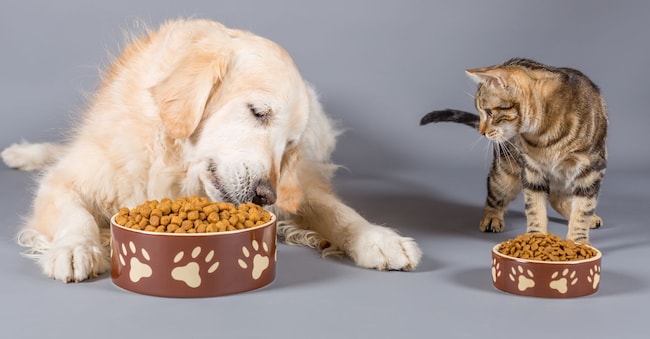
Provide an environment that allows for the expression of species-specific social behaviours, as well as water and high-quality feed in sufficient quantities to ensure adequate nutrition and hydration. Avoid mutilation, including the cutting of ears or tails, unless there is a medical reason to justify it. Furthermore, ensure that every pet is fitted with a readable microchip to enable its identification. These are some of the requirements set out in EU Regulation 2026/1818, concerning the welfare of dogs and cats and their traceability, published in the Official Journal of the European Union on 10 August 2026.
The rules regarding foster care
Article 7 explains that breeding operators may not place in a foster home a total of more than five dogs or cats or a litter, with or without the mother. The operator must also provide the foster family with adequate information on animal welfare obligations, as well as guidance on the individual needs of the dogs or cats. Individual Member States may allow a greater number of dogs, cats or litters to be placed in a foster home. This is provided that the premises are sufficiently spacious and that there are enough carers to ensure the animals’ welfare. Every purchaser must be provided with information on responsible ownership and the animal’s specific needs, as well as its medical history, which must include at least its vaccination status and any medical conditions or predispositions to disease of which the operator is aware.
Furthermore, should a facility cease trading, it is the operators’ responsibility to find homes for the animals, either by becoming their owners themselves or by transferring responsibility to other operators or buyers.
Rules for reproduction
It is also the responsibility of breeding operators to ensure that breeding strategies minimise the risk of producing dogs or cats with genetic traits associated with adverse health effects. Furthermore, dogs or cats with traits that pose a high risk of adverse effects on the welfare of the animals themselves or their potential offspring must not be used for breeding. Before selecting an animal that may be subject to this risk, it will be necessary to consult a veterinarian, who must assess the situation independently.
Anyone intending to breed or who breeds more than five litters per calendar year, as well as anyone keeping more than five breeding bitches or queens, may only place dogs or cats on the market once the establishment has been approved by the competent authorities. It will be the responsibility of the authorities themselves to inspect the premises to verify compliance with the requirements of the EU Regulation. Individual Member States may also allow inspections to be carried out remotely, provided that the means of communication used allow sufficient evidence to be provided for the assessment.

