

Early cancers, alarm among the 'under 50s': Gemelli's plan between research, care and innovation
Colon, pancreas and lung cases are becoming increasingly common among the young population: in the face of one of the main challenges in the field of oncology, the Rome-based Irccs is deploying research into emerging risk factors, integrated multi-omics diagnostics, the testing of new therapies and the use of big data

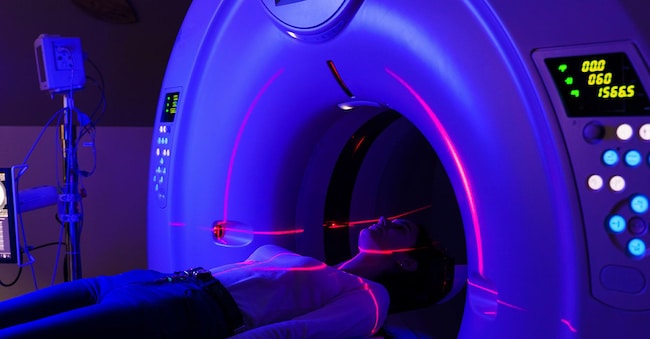
Early-onset cancers, particularly of the colon, pancreas and lung, are on the rise. And according to estimates, cases of early-onset colon cancer are set to increase by 80 per cent by 2040. On the occasion of World Cancer Day, Policlinico Gemelli presents its development plan for oncology: research on emerging risk factors, integrated multi-omics diagnostics, testing of new therapies and use of big data. More than 60,000 cancer patients are followed every year.
The search
The increase in early-onset cancers is a growing epidemiological reality and one of the main oncological challenges of the coming years. A phenomenon that the Policlinico Universitario A. Gemelli Irccs observes on a daily basis in outpatient clinical practice and that is at the centre of numerous national and international scientific studies. The Gemelli is in fact engaged in research on so-called 'early onset' tumours, in particular of the colon and pancreas, and participates in important European programmes such as JANE2 - EU Joint Action on Networks of Expertise, dedicated to tumours with a poor prognosis (pancreas and lung, with future extensions to ovary and tumours with an unknown primary site). Within the project, Professor Giampaolo Tortora, Professor of Medical Oncology at the Università Cattolica del Sacro Cuore and Director of the Comprehensive Cancer Centre of Fondazione Policlinico Gemelli Irccs, is responsible for Education & Training activities.
The possible causes
'The causes of the increase in early-onset cancers,' Professor Tortora explains, 'are still not fully understood. Among the most accredited hypotheses are diet-related factors, in particular the consumption of ultra-processed foods, which are widespread among the young and very young. A central role also seems to be played by nutrition in the first 10-12 years of life, which is crucial for the development of a healthy microbiota. There is also growing attention to exposure to microplastics and nanoplastics and to certain genotoxic bacterial toxins, such as colibactin produced by Escherichia coli pks+ and CDT from Campylobacter jejuni, which are associated with the development and progression of colon and pancreatic cancers. Finally, traditional risk factors such as obesity, overweight and diabetes remain relevant, which, through a state of chronic low-grade inflammation, may contribute to carcinogenesis'.
In light of the increase of cancers in the under-50s, the Council of Europe has already recommended the anticipation of cancer screening programmes, in particular for colon and breast cancer. In Italy, some regions have started pilot programmes in this direction.
The Gemini 'Plan'
At the Gemelli Irccs they reaffirm their leading role in the fight against oncological pathologies. In the last year alone, over 64,000 cancer patients were taken care of, numbers that make Gemelli one of the main oncology centres of excellence at national and international level.

