Lagorio (easyJet): 'Europe holds, slowdowns to Egypt'
The low-cost airline plans to shift capacity to the Old Continent if tensions continue. The carrier's 20 years at Malpensa

Key points
Between booking changes, redistribution of capacity to European destinations, hedging against high fuel prices and ticket price increases, low cost airlines are trying to weather the Middle East crisis and the impact of jet fuel prices that have almost doubled since the start of the war in the Gulf on 28 February.
The companies' reaction to high oil prices
People are looking ahead to next summer and the effects the conflict will have on tourism: while Europe is holding up, there are slowdowns in bookings not only to the Middle East, but also to destinations not directly involved in the conflict such as Egypt, Turkey and Cyprus. This is confirmed by easyJet, which flies from Milan to Sharm el-Sheikh, Hurghada Marsa Alam, Cairo Sphinx and from England to Cyprus and Turkey: no cancellations so far (except for Tel Aviv, which will not be operated until the end of the summer), but changes of destinations to European countries such as Spain and Italia. The company is reacting by shifting capacity to Europe to meet demand.
European carriers, unlike American ones, are hedged against the risks of fuel price increases with hedging contracts, but not 100% and not in the long term. In the case of eayJet, according to Bernstein analysts' calculations, hedging is 80% until March and then drops to 62% from March to September 2026. "In the short term we are insured, but we don't know what will happen after that. Fuel price increases will have an inevitable impact on costs,' explains the country manager for Italia, Lorenzo Lagorio, who celebrated 20 years since the opening of the company's Milan Malpensa Terminal 2 base.
What about ticket prices? The cover helps to avoid increases, but it will not be forever if the situation does not improve: 'In a competitive market such as air transport, increases will affect all operators with inevitable repercussions on prices,' explains Lagorio. 'We have to see what will happen in the coming weeks. We hope that fuel prices will go down, but if the increases become structural they will be reflected in the fares'.
EasyJet 20 years in Milan Malpensa
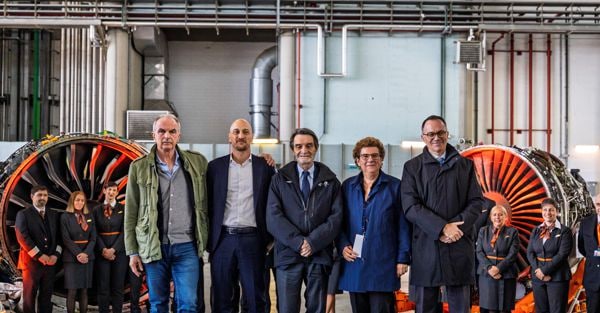
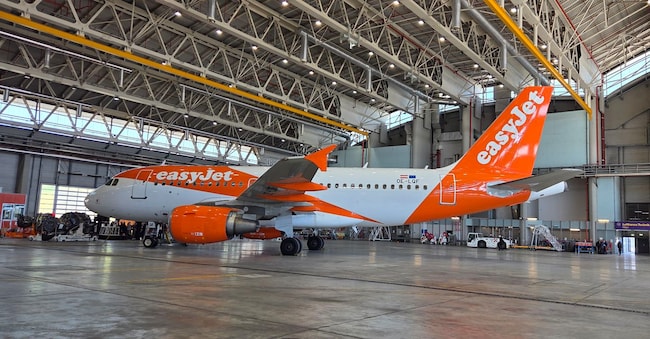
Meanwhile, easyJet is celebrating 20 years of its Milan Malpensa base at Terminal 2, which has become the British group's second most important hub after London Gatwick. The event was attended by institutions including the Vice-President of the Council of Ministers and Minister of Infrastructure and Transport Matteo Salvini, the President of the Lombardy Region Attilio Fontana, the Councillor for Mobility of the Municipality of Milan Arianna Censi and the President of ENAC Pierluigi Di Palma and Armando Brunini the CEO of SEA Milan Airports