Epidemic

Ebola in DR Congo: over 200 deaths and attacks on treatment centres complicate management of the epidemic

The Ebola epidemic in the DRC is causing numerous casualties and social tensions, with attacks on health centres and restrictive measures to contain the infection.

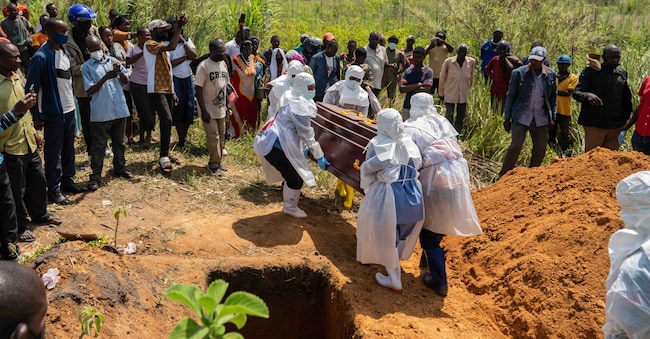
Sabato 23 maggio 2026, alcuni operatori della Croce Rossa preparano una bara contenente il corpo di una vittima dell'Ebola per la sepoltura al cimitero di Rwampara, a Bunia, nella RDC (Foto AP/Moses Sawasawa) APN

2' min read

Translated by AI
Versione italiana

2' min read

Translated by AI
Versione italiana

The Ebola outbreak in the Democratic Republic of Congo (DRC) has claimed over 200 lives out of 867 suspected cases, the country's Ministry of Health reported in an updated budget on Saturday 23 May 2026.

Official figures indicate that 204 deaths have been recorded in three provinces of the vast central African country and are probably caused by the virus.

Loading...

The World Health Organisation's latest toll, from Friday, reported 177 deaths out of 750 suspected cases.

Ebola health centre set on fire

A second Ebola treatment centre was burnt down in eastern DRC, with 18 suspected cases on the run.

Angry residents in eastern DRC attacked and set fire to a tent that was part of a health centre treating Ebola patients.
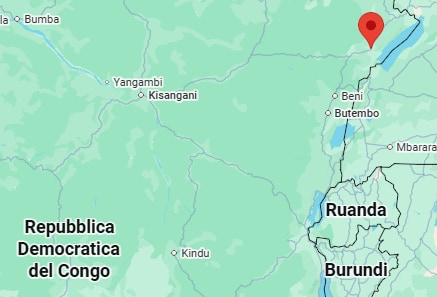
Eighteen people suspected of being infected left the facility in the town of Mongbwalu during clashes that broke out after Friday night's attack.

A local health director stated that they are now missing. No one was injured in the attack, the second this week.

The authorities banned funerals and gatherings of more than 50 people to contain the spread of the virus.

The World Health Organisation states that the epidemic poses a 'very high' risk to the DRC. There is no vaccine available for this rare form of Ebola.

Why the protests in the DRC over ebola

The episode of rebellion by the population was a reaction to the authorities' opposition to handing over the bodies of the deceased to their relatives. Funeral rites are denied: health teams prevent contact and transport of the bodies to the villages.

The bodies of those who have died from Ebola are highly contagious and require safe and strict burial protocols.

Bunia

Al confine con l’Uganda

Flights to Bunia suspended

The DRC suspended flights to the eastern city of Bunia and regional health ministers sounded the alarm over the escalation of ebola-related cross-border risks, as the epidemic spread across three provinces and strained contact tracing activities.

By 22 May, health workers had only managed to trace one fifth of the 1,745 contacts identified and monitored, a gap in surveillance that officials described as 'alarming'.

The worsening epidemic has prompted the Congolese Ministry of Transport to suspend commercial, private and special flights to and from Bunia, one of the epicentres of the epidemic in Ituri province, close to the border with Uganda.

The ministry said on Saturday that humanitarian and medical flights can still receive special authorisation.

These measures underline the rapidity with which the Bundibugyo strain of Ebola is spreading in eastern DRC and neighbouring countries. This is straining already fragile health systems and forcing authorities to rely heavily on basic public health measures, as there is no approved vaccine or antibody therapy for this rare type of virus.

The United States expanded its response to Ebola on Saturday, announcing stricter airport checks for travellers from the DCRD, Uganda and South Sudan, along with new emergency funding, shipments of medical supplies, and the dispatch of response teams to affected areas.

Copyright reserved ©
Loading...

Brand connect

Loading...

Newsletter

Notizie e approfondimenti sugli avvenimenti politici, economici e finanziari.

Iscriviti