Financial Stability Review

AI and public debt: the ECB highlights new vulnerabilities in the European financial system

The ECB points out that AI valuations, geo-economic uncertainties and high levels of public debt could put pressure on the European financial system

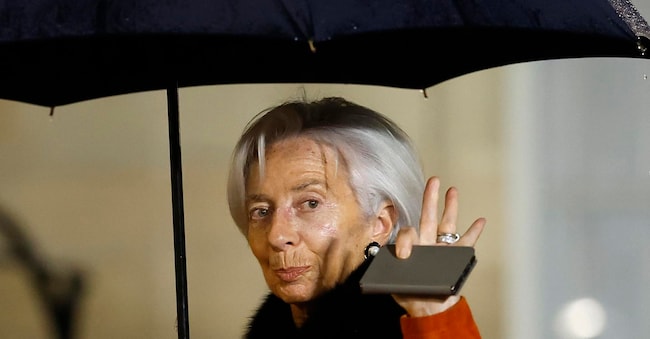
Christine Lagarde, presidente banca centrale europea EPA

2' min read

Translated by AI
Versione italiana

2' min read

Translated by AI
Versione italiana

Risks to financial stability in the euro area remain high, fuelled by geo-economic uncertainty, valuations linked to artificial intelligence and government budget imbalances. This is according to the Financial Stability Review published today by the ECB.

“The risks to the euro area’s financial stability remain high,” explains Vice-President Boris Vujcic, “in light of the persistent geo-economic uncertainty and growing exposure to AI.”

Loading...

Banks, he adds, “are well positioned to withstand shocks, whilst vulnerabilities are more pronounced among some non-bank intermediaries, where risks are rising and macroprudential safeguards are less developed”. The euro area economy has so far continued to show resilience despite the energy shock, trade frictions and extreme weather events. Prolonged disruptions to energy supplies and persistent uncertainty over trade policies could, however, put its resilience to the test.

Fed e Bce: e se l’inflazione non fosse il tema?

Banks exposed to AI financing

Euro area banks’ exposure to artificial intelligence financing leaves them vulnerable to a potential correction in the sector’s valuations. The ECB highlights this in the latest edition of the Financial Stability Review, noting that the risk also extends to non-bank financial intermediaries.

Enthusiasm for the transformative potential of AI has fuelled sharp rises in global equity markets, despite some recent bouts of volatility. Current valuations, the ECB notes, are based on ambitious earnings expectations, which could be called into question by financing difficulties or competition from less expensive AI models. Investment in artificial intelligence infrastructure is also increasingly being financed through debt.

A shift in investor confidence could therefore extend the losses from the equity markets to the bond markets. The increasingly close links between banks and non-bank intermediaries could transmit and amplify shocks throughout the financial system. The banking sector remains well-positioned to absorb such shocks, however, thanks to its solid profitability, capital and liquidity. Asset quality remains good, although rising energy prices and a deterioration in economic conditions could make it more difficult for households and businesses to service their debts.

I rischi dell'AI fisica, perché servono regole e confini

Risks on government bonds are rising

High levels of public debt, growing government borrowing requirements and changes in the composition of investors are increasing the risk of sharp corrections in the prices of euro area government bonds. This is the warning issued by the ECB in the latest edition of the Financial Stability Review, published today.

Bce, Lagarde "Lascio istituzione solida e pronta per il futuro"

Investments in government bonds in the region are shifting towards investors who are more sensitive to news and who use leverage, a trend that increases the risk of sudden reassessments of sovereign risk. So far, however, the ECB points out, the markets have continued to function in an orderly manner. Geo-economic uncertainty, higher energy prices and weak economic growth could put further pressure on public finances, reducing the scope available to governments to respond to new shocks. The exposures of banks and non-bank intermediaries to sovereign debt make them, in turn, vulnerable to any price corrections. The interconnections between the various components of the financial system could also facilitate the spread and amplification of tensions.

Copyright reserved ©
Loading...

Brand connect

Loading...

Newsletter

Notizie e approfondimenti sugli avvenimenti politici, economici e finanziari.

Iscriviti