Edil San Felice presents H.E.R.O., the first patented humanoid for security
The company listed on Euronext Growth Milan invests EUR 600,000 in the project developed with the Federico II. Objective: a fleet of five operational units by mid-2026

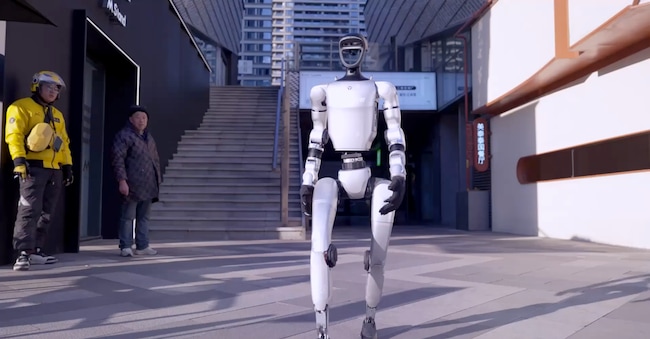
Humanoid robots are among us. And if they are not yet keeping company in living rooms at home, they could soon become a regular presence along Italian motorways. Edil San Felice, a benefit company listed on Euronext Growth Milan and an integrated operator in the infrastructure maintenance sector, presented H.E.R.O. (Humanoid for Enhanced Road Operations), the first humanoid patented specifically for operating on road construction sites, at Palazzo Mezzanotte during the eighth edition of 'Mid & Small - Milan 2025'.
An ambitious project, born from an initial investment of €600,000 and the collaboration with the Federico II University of Naples and NOTOS Group, responsible for training and developing the robot's artificial intelligence. But in addition to the numbers, there is one goal that CEO Lorenzo Di Palma considers a priority: 'Saving lives'. The statistics on fatal accidents on road construction sites, in fact, tell a story that technological innovation can help rewrite.
Chinese hardware, Neapolitan brain
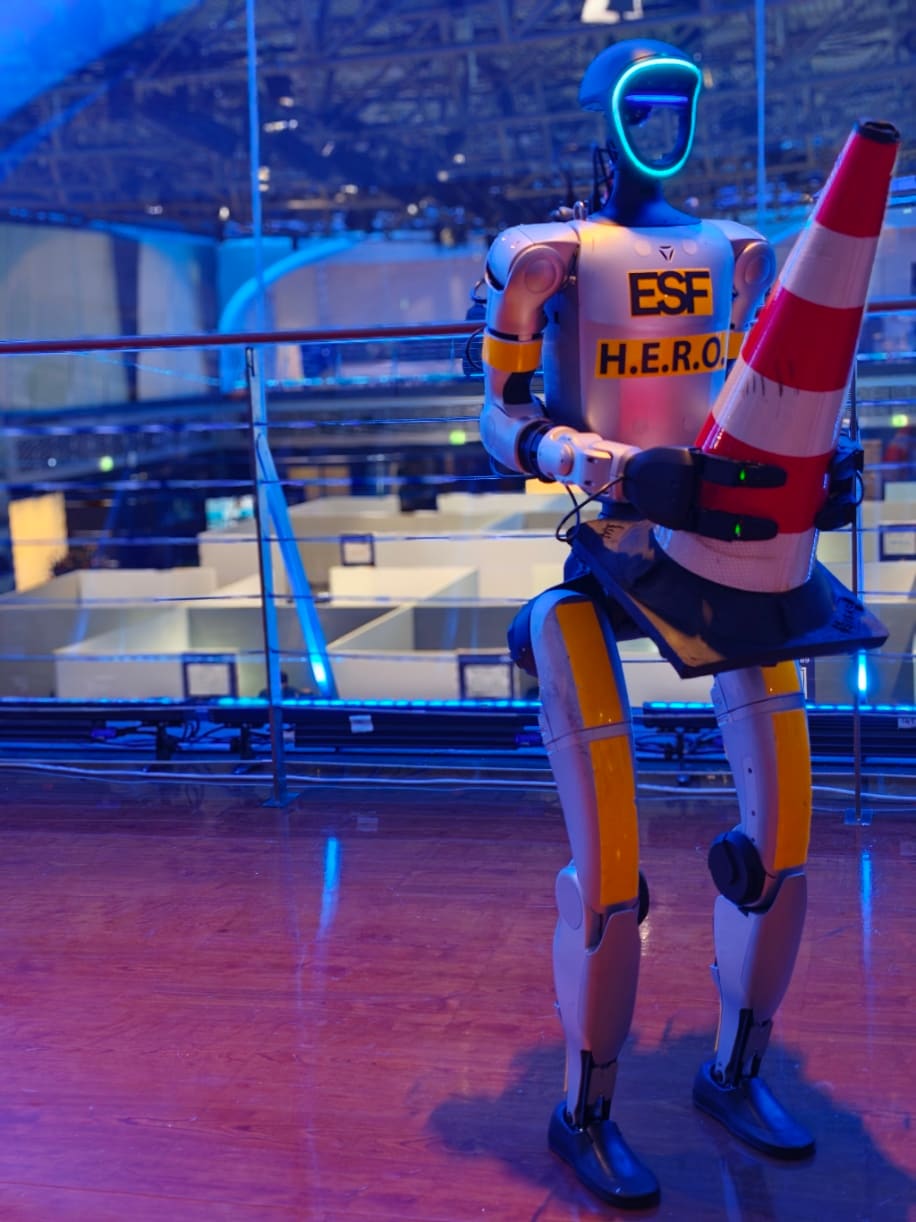
At the basis of H.E.R.O. is a G1 Unitree, a Chinese-made humanoid purchased 'pure', i.e. without specific programming. The added value of the project lies in the work of the Federico II researchers, who developed the entire artificial intelligence system needed to transform a generic hardware platform into a specialised operator for road construction sites.
From a technical point of view, the humanoid integrates 360° perception via 3D LiDAR and depth camera, sensorised prehensile hands with force control, advanced mobility and an artificial intelligence platform combining reinforcement learning, road sign recognition, line following and site element localisation.
"The main tasks concern the assembly and disassembly operations on road construction sites," explains Di Palma. "Clearly the machine is programmed for the most risky operations: positioning temporary signs, managing cones along 1-2 kilometres (the industry operating standard), handling loads and monitoring the construction site area. It can recover a burst tyre, manage traffic regulation procedures, or act as a sentry man in the event of traffic disturbances. It really is all-round ready for all our activities".