
Electoral law: majority bonus and voting for those living away from home approved. The Vannacci-backed amendment on preferential votes has been rejected
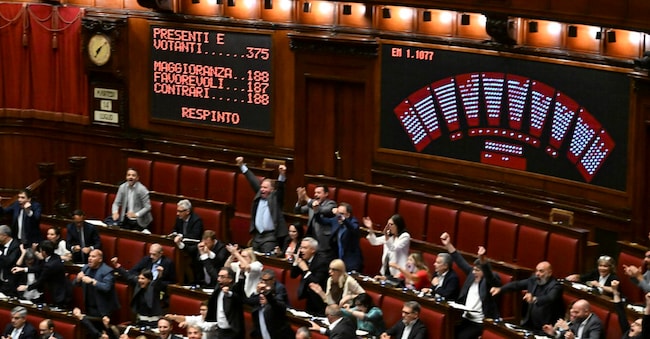
The final vote on the bill took place on Thursday morning. The amendment tabled by the Vannacci group to reintroduce preferential voting – on which the rapporteur had deferred to the Chamber – was rejected. The majority was divided. FdI and Noi Moderati voted in favour. Forza Italia and the Lega, along with the opposition parties, voted against. On Tuesday evening, FdI’s amendment in favour of fixed-list candidates and preferential votes was rejected.

Key points
- Vannacci: Meloni should show some backbone and put our amendment on preferential voting to the vote
- Bonetti’s amendment on gender equality rejected
- Approval for a FI amendment against fragmentation
- The Network against the electoral law: dozens of appeals already prepared
- The rejection of the FdI amendment
- Meloni’s wrath
- The majority pushes ahead with the Stabilicum
- The amendment was rejected
- He cannot maintain unity within the centre-right
- The mavericks
- The opposition’s jubilation and pressure
The Chamber of Deputies has given the green light to all the articles of the new electoral law (Stabilicum), which provides for a proportional representation system with a majority bonus of 70 MPs and 35 senators (with a maximum of 220 MPs and 113 senators) for the coalition that secures at least 42 per cent of the vote. The bill also stipulates that the name of the coalition’s candidate for Prime Minister must be indicated when the party symbol is registered. Final approval of the bill is expected on Thursday morning.
Among the amendments approved was the one concerning voting rights for students living away from home, which was passed with the approval of all opposition parties. It provides for the possibility, through registration on a special register, for those who are away from their municipality of residence for reasons of study, work or medical treatment to vote where they are temporarily resident.
The Chamber, however, rejected the amendment tabled by Vannaccia’s group to reintroduce preferential voting, on which the rapporteur had deferred to the Chamber. There were 139 votes in favour and 233 against. Alongside the eight Vannacci-aligned MPs, FdI and Noi Moderati voted in favour of reintroducing preferential voting. Opposed were Forza Italia and the Lega, as well as the opposition parties.
Vannacci: Meloni should show some backbone and put our amendment on preferences to the vote
Vannacci has insisted on a preferential voting system without a fixed lead candidate, challenging the Prime Minister and the centre-right. “Meloni should show some backbone and put Futuro Nazionale’s amendment – which proposes a preferential voting system without a fixed lead candidate – to a vote. The game isn’t lost; we just need the will to win it,” wrote the leader of Futuro Nazionale on social media beneath a video in which he appealed to the Prime Minister: “Come to the Chamber, speak to the centre-right group leaders, let loose and show some backbone, because the game isn’t over yet – all it takes is the will to win it.”
Bonetti’s amendment on gender equality rejected
The Chamber of Deputies also rejected, by secret ballot (223 against and 142 in favour), the amendment to the electoral law tabled by Elena Bonetti (Azione), which provided for gender parity across all candidates on constituency lists at national level. According to the proposed amendment, supported by all opposition parties, neither gender may account for more than 50 per cent of candidates. Under the current law, the ratio is 60/40. The government and the majority were opposed to the Bonetti amendment.


