
Electric cars account for 12.6 per cent: a recovery is expected in 2025, but the market is policy-driven
In 2025, 193,000 new registrations and more green vehicle fleets, but the share remains below the European average. The number of charging points and the range of vehicles on offer are growing (+49 per cent)

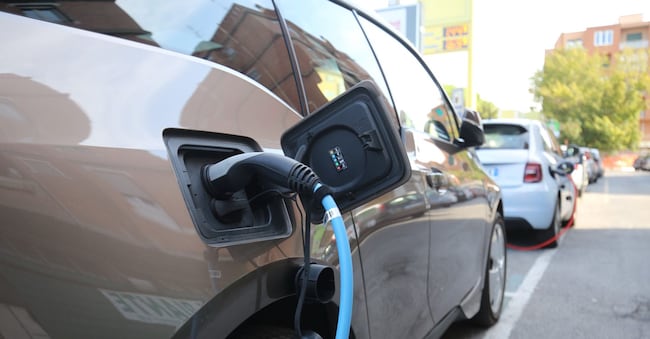
In the week that the subsidy for the installation of new electric charging points, the sustainable mobility sector is celebrating the figures from the tenth edition of the Smart Mobility Report, compiled by the Energy&Strategy department of the School of Management at the Politecnico di Milano. With 2024 now behind us – a year best forgotten – 2025 was the year of recovery: registrations of electric cars totalled around 193,000 (of which 98,000 were BEVs, i.e. purely electric, and the remaining 95,000 were PHEVs, plug-in hybrids) and their share of new registrations in Italia rose to 12.6 per cent, around 5 percentage points higher than in 2024.
The figures
The turnaround had already become apparent in the first half of last year, although the Italian figure is less than half of the European figure: in 2025 in Europe (including the United Kingdom and EFTA countries) the market share of electric cars reached 26.8 per cent, compared with 22.7 per cent in 2024, thanks to around 3.9 million registrations (2.6 million BEVs and 1.3 million PHEVs).
The number of charging infrastructure installations is also continuing to grow, and the new incentive scheme launching on Tuesday 22 September could give this a further boost: by the end of 2025, there were around 1.3 million public charging points in Europe (+23 per cent on 2024) and 77,000 in Italia (+17 per cent), with a faster increase in the number of fast-charging points.
In this context company fleets account for 46 per cent of new vehicle registrations in Italia and cover three times the average annual mileage. They can also boost the second-hand market with electric vehicles in good condition at reduced prices, making electric mobility more accessible and facilitating the transition.
However, a survey by Energy&Strategy of 219 companies reveals that the level of electrification is still limited compared with the proposed European legislation, which sets a target for Italia of 69 per cent zero- or low-emission cars among new registrations by large companies by 2030, of which 45 per cent must be zero-emission. Currently, 37 per cent of large companies have not registered any zero-emission vehicles, and only 14 per cent are already in line with European targets. According to the survey, electric cars account for 25 per cent of the fleets analysed, but in 2025, 44 per cent of companies had not registered any EVs. The user experience is nevertheless positive: 79 per cent of those who use them would include them in their fleet again, and 60 per cent report economic benefits.

