
Electric cars: the EU’s turning point is in full swing – charging points every 60 kilometres and contactless payments
On 1 January 2027, all the rules laid down in the 2023 European regulation must be implemented to usher in a new phase of simplification for electric vehicle charging. Key points include mandatory charging points every 60 kilometres, transparent tariffs per kWh and the end of mandatory apps for payment

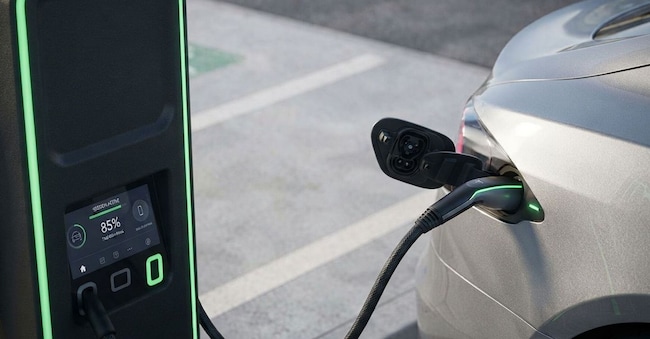
From 1 January 2027, charging points for electric cars must be digitally interconnected to make life easier for users; and, again from 1 January 2027, app-free payments must also be possible for 50 kWh charging points. There are therefore just a few months to go until a landmark change, already provided for in the Afir regulation of 18 April 2023.
Driving an electric car in Europe is really set to become easier – or at least, that is the promise coming from Brussels.
The European Union, through the AFIR Regulation, has in fact adopted a series of stringent rules, which will enter a new phase next year designed to break down bureaucratic barriers, the fragmentation of services and the technical complications which, until now, have made public charging a veritable obstacle course for everyday drivers.
The most significant change concerns coverage: along the main European road sections of the TEN-T network, each country will be required to install fast-charging stations at intervals of no more than 60 kilometres from one another. A key requirement aimed at putting an end once and for all to the so-called “range anxiety”.
But the most noticeable change concerns payments. Electric car drivers will no longer have to waste time downloading dedicated apps, creating accounts or taking out temporary subscriptions tied to a single operator. Charging points installed from 13 April 2024 onwards must be modified to offer maximum freedom of access, allowing for immediate and secure payment via standard credit cards, contactless systems or quick digital solutions such as QR codes.

