

Emirati fashion makes its mark in Europe
The UAE’s luxury fashion market reached $1.3 billion in 2025 and is set to reach $1.9 billion by 2034. Brands are now also staging fashion shows in Italia. Hamad Jasem: “For Garami Signature, this is an important step in introducing our designs to an international audience.”

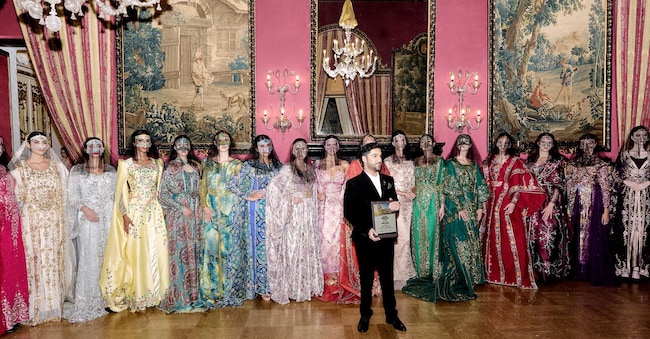
The fashion industry in the United Arab Emirates is seeking to enter a new phase: after years of growth fuelled by tourism, a high concentration of high-net-worth individuals and the development of Dubai as a luxury hub, Emirati designers are looking to Europe as a commercial outlet and an international showcase. According to the Imarc Group, the UAE’s luxury fashion market reached $1.3 billion in 2025 and could reach $1.9 billion by 2034. This growth is driven by high incomes, the digitalisation of retail, demand for premium products and the presence of international consumers. This figure forms part of a broader picture: the UAE is cited by Henley & Partners as one of the world’s leading destinations for millionaire migration. This demand base has bolstered boutiques, luxury shopping centres, online platforms and clienteling services.
The new development is that the flow is no longer just from Europe to the Gulf. It is against this backdrop that Garami Signature, a fashion house founded by designer Hamad Jasem, is taking part in Rome Fashion Days.
“Presenting our collection in Rome is a great honour,” explains Hamad Jasem. “For Garami Signature, this is an important step towards introducing our designs to an international audience and representing Emirati fashion on the global stage.” Participation in events such as Rome Fashion Days forms part of the broader internationalisation strategy pursued by Garami Signature and a growing number of emerging brands from the Gulf. For these brands, European platforms represent, above all, an opportunity to establish their position: they enable them to connect with buyers, industry professionals and the international media, as well as to gauge the reception of their collections in new markets.
This trend is part of a rapidly evolving ecosystem. The growth of the UAE’s fashion industry is, in fact, also underpinned by sector-wide initiatives. Dubai Fashion Week, co-founded by the Dubai Design District and the Arab Fashion Council, is now one of the region’s leading events in the sector and aims to strengthen the UAE’s role in the global fashion calendar. For many Gulf brands, the challenge lies in transforming local cultural heritage into a distinctive feature on international markets. In contemporary luxury, after all, it is not just the product that counts, but also the ability to build a recognisable identity. ‘Customers today want more than just a beautiful dress,’ observes Jasem. ‘They are looking for quality, exclusivity and garments that reflect their personality.’
Europe therefore represents a market of interest, but also a testing ground for assessing the ability of Emirati brands to engage with international consumers and operators whilst maintaining their own stylistic identity. The case of Garami Signature reflects a broader transformation currently underway in the United Arab Emirates. The country no longer positions itself merely as a consumer market for major European fashion houses, but is increasingly focused on developing and promoting its own brands in the luxury segment. This is a process that is still evolving, but one that signals the growing ambition of the Emirati fashion sector to carve out a place for itself on the international stage.

