
Bills, from today the energy 'receipt': here's what changes
The new bill aims to ensure greater transparency and comparability of offers for the benefit of end users

3' min read
Key points
3' min read
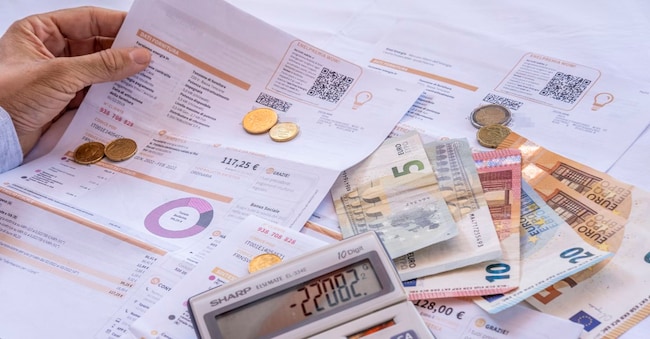
From today, 1 July, the bill for users of the free electricity and gas market will change to ensure greater transparency on costs and greater comparability of offers. The new bill is the result of work that the Authority for Energy, Networks and the Environment has been carrying out for some time with a series of resolutions, which were also the subject of discussion with consumer associations, aimed at improving the readability of energy bills. But what is changing? Here are all the main novelties.
1) Greater clarity of information
.More generally, Arera's intervention will lead to the subdivision of the expense items on the bill in such a way as to distinguish within the technical-economic conditions of the supply contracts the fees relating to the sale of electricity and gas, separating them from the regulated disbursements associated with the tariff for the use of the network and the system charges, which will be reported in special subsections.
2) More detailed vendor websites
.The Authority, chaired by Stefano Besseghini, has asked sellers to adapt their websites as well: operators will therefore have to publish the offer code, the technical-economic conditions and the summary sheet (which must contain, as is known, an estimate of the annual expenditure) with adequate evidence for each of the offers present.
3) The unified title page
.The new bill revolves around a compulsory first page, the 'unified front page', with the same structure for all end customers: this is the first side of the bill where sellers are required to state the amount to be paid and all essential information about the customer on the type of service he or she is supplied, the supply contract, billing and payments. It will therefore be necessary to ensure maximum uniformity of the main information so that users' bills are immediately comparable.
4) The energy receipt
.Within the bill, then, the aim is to make the section on raw material disbursement particularly clear: the so-called 'energy receipt', which shows the formation of the overall cost of energy in relation to the volumes consumed according to the quantity x price structure, divided into 'consumption quota' and 'fixed quota', plus the 'power quota' for electricity, and further detailed by expenditure items (sales and 'network and charges'). VAT and excise duties, any bonuses, other items (interest on arrears, additional products and/or services, etc.) and the RAI fee will also be shown separately in this section.


