
Energy crisis 2026: back to smart working in the world for the shock of the closure of the Strait of Hormuz
Agile working and reduced weeks to keep fuel consumption down

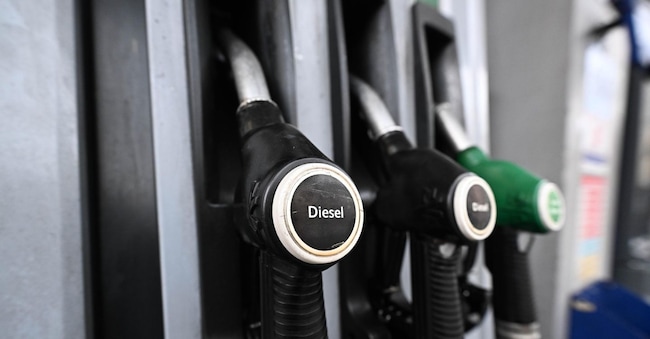
The prolonged conflict in Iran in April 2026 and the consequent closure of the Strait of Hormuz have triggered an unprecedented energy shock, forcing some governments (especially in Asia, where energy dependence on the Middle East is strong) to reactivate remote work protocols for employees reminiscent of the most critical periods of the Covid. Reduced crude oil flows have made fuel economy a safety imperative for some. In this scenario, smart working has re-emerged not only as a welfare tool, but as a key macroeconomic 'asset' to stabilise energy demand and protect business continuity in the face of direct physical threats.
In Asia
At the governmental level, more structured responses follow the guidelines of the International Energy Agency (IEA), which in its 2026 Energy Crisis Policy Response Tracker highlighted how working remotely can drastically reduce the demand for transport oil. In the Philippines and Pakistan, a four-day working week for public offices has been introduced (in Pakistan, schools are closed for two weeks and smart working is called for), with heavy reliance on remote working to limit diesel consumption. In Egypt, the government made one day of smart working per week mandatory for the administrative sector. In Vietnam and Malaysia, they have encouraged smart working, as well as in Thailand and Sri Lanka (also pushing video conferencing in these two countries). In Myanmar they have made smart working mandatory on Wednesdays for civil servants. Laos has provided for office rotation for civil servants in addition to smart working.
EU recommendations
Even the European Union, while maintaining a recommendation approach, has urged member states to incentivise agile working (and car-free Sundays) to mitigate energy inflation, which hit alarming peaks in March 2026. "If there is energy consumption that you can do without, if it is not strictly necessary to drive your car, then don't do it," Lars Aagaard, the Danish minister of energy and utilities, told a local broadcaster on Wednesday.
The big tech
The corporate sector, particularly the technology sector, responded even more quickly, driven by a twofold motivation: expensive energy and, above all, personnel security. The Islamic Revolutionary Guards Corps (IRGC) has placed 18 US giants on a 'black list' of sensitive targets, prompting companies such as NVIDIA, Microsoft, Google and Apple to activate total evacuation or remote work protocols for headquarters located in geopolitically unstable or symbolically relevant areas. Amazon (AWS) and Oracle, affected by operational disruptions in their infrastructures in the Gulf, have arranged for global agile working for teams not involved in the physical maintenance of data centres.


