

Essential medicines increasingly in short supply: EU Court warns of system failures

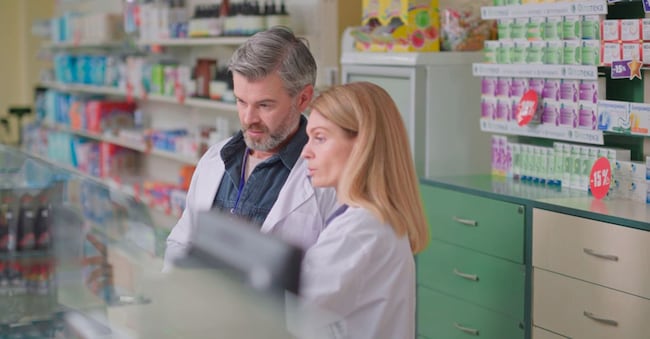
It comes from the European Court of Auditors the latest warning about the shortage of medicines, a recurring problem that the EU is not prepared to tackle due to the lack of a well-developed response system.
Monitoring results
Critical shortages of medicines have become a frequent threat to public health throughout the European Union. Among Member States, reported shortages peaked in 2023 and 2024. Between January 2022 and October 2024, EU countries recorded critical shortages for 136 medicines.
The European Court of Auditors examined the measures taken by Brussels to ensure the availability of medicines and found that the system to prevent and mitigate critical shortages needs to be improved. Although the European Medicines Agency (EMA) has seen its role expand in recent years and has provided important coordination to help reduce the impact of shortages, it still lacks legal powers to help EU countries recover from a health crisis. Furthermore, it does not have enough information on shortages to be able to prevent them.
The challenges ahead
The European Commission has identified several root causes of the shortages. Firstly, the supply chain is vulnerable: much of the production, especially of antibiotics and painkillers, is relocated to Asia, with a heavy dependence on a few suppliers. In addition, the industry's obligation to ensure a continuous supply, although stipulated in the standards, is not effective in practice. The management of stocks also contributes to the fragility of the system. In the absence of real European coordination, several Member States have started to accumulate national stocks, exacerbating the shortages in other countries.
The introduction of the EU list of critical medicines is a step forward, but so far it has not ensured concrete availability of the identified products.
A further element of weakness is the fragmentation of the single market for medicines. To address these critical issues, the Commission has launched a review of the European pharmaceutical legislation, with measures that could improve the resilience of the system. However, according to the European Court of Auditors, important issues remain unresolved, including the timeliness of the reporting of shortcomings and the ability to intervene more forcefully on industries in the event of critical situations.
Analysts' alarm
Evidence from a recent independent study conducted in Europe by New Angle, a consulting and research agency, and sponsored by Viatris, a global health company. The analysis, entitled "Ensuring Access, Improving People's Lives. Strengthening patient access to off-patent medicines in Europe", was conducted in 16 European countries and found that between 2020 and 2024, spiralling production costs - including a 31.6% increase in industrial prices, a 25.7% increase in labour costs as well as rising energy prices and the rising cost of key materials - combined with falling drug prices, has created an unsustainable environment that is driving suppliers out of the market and putting patients' access to medicines at risk.
In the period under review, the average price of the top 10 off-patent antibiotics fell by 10%, despite sharp increases in production costs and inflation. Amoxicillin saw a price drop of almost 19%, making it one of the drugs most affected by the widespread shortages reported in the core antibiotic sector by mid-2025. The resulting gap between costs and revenues produced clear effects: over 240 product recalls and 385 shortage incidents in the analysed countries, considering antibiotics alone. Market consolidation and a decrease in suppliers have increased the risk of disruptions in the supply chain, compromising continuity of care. The same trends can also be observed in Italy with a general increase in costs, a decrease in prices, and problems related to the availability of different molecules. In Italy, in the period 2020 - 2024, the average price of the top 10 off-patent antibiotics decreased by 21.6 per cent, while production and labour costs increased by 26.3 per cent and 9.3 per cent, respectively. In particular, amoxicillin recorded a 38.4 per cent price decrease, followed by azithromycin with a 26.7 per cent decrease.
The proposals
The study, analysing the Italian scenario in particular, highlights the need to introduce a mechanism that more effectively links production costs and the final price of drugs. The current model, based mainly on the cost of the active ingredient, no longer reflects the generalised increases due to inflation, energy, labour and materials; for this reason, a revision that takes into account the real economic dynamics of the sector now seems unavoidable. This is also the direction in which the debate on the reform of the payback, an issue at the heart of the 2026 Finance Bill, is heading, which, according to the industry, could help to re-establish conditions of greater sustainability for manufacturers.
In the retail channel, a revision of the distribution quotas between manufacturers, wholesalers and pharmacies would allow a more balanced distribution of margins along the supply chain and greater stability in supply. On the other hand, in the hospital channel, the study suggests intervening in the tendering mechanisms by introducing multi-agent models, capable of guaranteeing the presence of multiple suppliers and strengthening the resilience of the supply chain. Alongside price, criteria such as reliability of supply, product quality and sustainability should also be emphasised to ensure greater stability of supply, preserving therapeutic continuity and access to essential medicines.
https://stream24.ilsole24ore.com/video/salute/sostenibilita-cure/AHw79BzD

