
Historic EU-Australia agreement: tariffs, agriculture and raw materials
After years of heated negotiations, which began in 2018, the European Union and Australia have concluded a wide range of trade, military and technology agreements
From our correspondent Beda Romano
 Aggiungi Il Sole 24 Ore
ai preferiti su Google
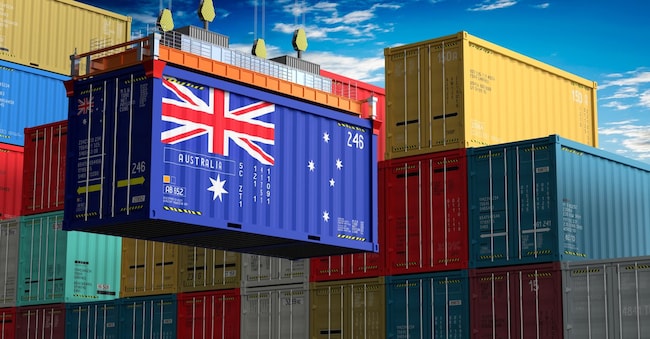
BRUSSELS - After the agreements first with Mercosur and then with India, the European Union has signed a new agreement, this time with Australia. The new treaty, which will have to be approved by the Parliament and the Council, ranges from trade to raw materials, from new technologies to security, and represents a new step in the diversification of European trade relations at a time of growing protectionism on the American and Chinese side.
'The European Union and Australia are geographically distant, but we could not be closer in our worldview,' European Commission President Ursula von der Leyen said in Canberra. 'Thanks to these new partnerships on security and defence, as well as on trade, we are moving even closer. These agreements create lasting, trust-based structures that support peace and security, and promote prosperity'.
The free trade agreement comes after almost ten years of negotiations. The compromise primarily concerned agriculture, a traditionally sensitive sector. According to information from the European Commission, the agreement will eliminate tariffs on key European exports, such as cheese, meat preparations, wine and sparkling wine, certain fruit and vegetables, including preparations, chocolate and sugar confectionery.
Conversely, for sensitive agricultural sectors, such as beef, sheep and goat meat, sugar, some dairy products, and rice, the agreement with the India-Pacific partner will only allow zero or reduced tariffs imports from Australia in limited quantities, 'through carefully calibrated tariff quotas', the EU executive specified (Canberra has agreed to limit annual beef exports to 30,600 tonnes, compared to a previous target of 50,000 tonnes).
Mindful of the difficulties in getting the recent agreement with Mercosur approved, which is due to be provisionally applied from 1 May, Brussels wanted to further protect European agricultural products with special safeguards in the event of a sudden and large increase in Australian products. In addition, the same agreement will protect 165 European geographical indications for agricultural products and foodstuffs as well as 231 European geographical indications for various spirits.


