
EU budget: 17 countries oppose further cuts to Cohesion and Agriculture
On the initiative of Meloni and Dan (Romania), the Friends of Cohesion have written to the Irish Presidency asking it to maintain the level of funding allocated to the two most important budget headings to date. They have expressed openness to taking on new ‘targeted’ debt to finance new priorities such as defence, security and competitiveness.

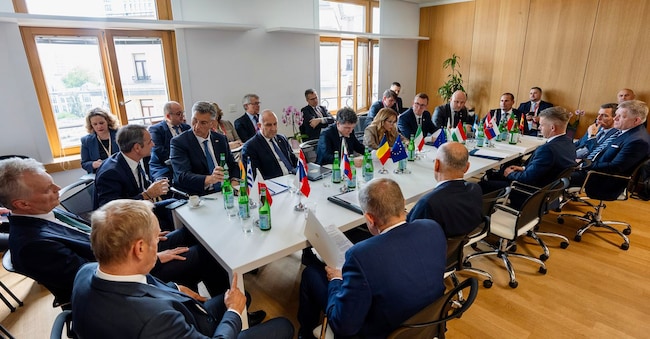
The 17 EU ‘Friends of Cohesion’ countries, ahead of the European Council meeting on 15 and 16 October which will discuss the Multiannual Financial Framework 20–34, have sent a letter to Irish Prime Minister Micheál Martin, the current holder of the EU Presidency, to defend funding for cohesion policy and agriculture, which – they emphasise – play “a central role in underpinning Europe’s prosperity and delivering tangible benefits for European citizens”, whilst opposing further cuts to the resources allocated to these policies.
In the letter – which, according to diplomatic sources, was initiated by Prime Minister Giorgia Meloni and the President of Romania, Nicușor Dan – the 17 leaders call for the next MFF to “maintain the overall level of resources allocated to cohesion policy and agricultural policy. Further cuts would weaken policies that remain essential for achieving the Union’s economic and social objectives’.
The Friends of Cohesion, therefore, seem to be focusing primarily on limiting the damage, by avoiding further cuts beyond those proposed by the Commission. Around 400 billion is earmarked for Cohesion over seven years, whilst 300 billion is allocated to agriculture – representing less than 20 per cent and 15 per cent of the total budget respectively: in the previous seven-year period (21–27), Cohesion and agriculture accounted for between 30 and 35 per cent.
Cohesion policy and agricultural policy – as the leaders point out – promote convergence between Member States and regions, strengthen the Single Market and support rural and less-developed areas. They contribute to Europe’s competitiveness and food security, generating direct and indirect benefits for economies across the Union. Their impact translates into tangible results for citizens, businesses, farmers and local communities throughout Europe.
Debt for new priorities


