
EU Budget: Parliament calls for 10% more for 2028-2034
Agreement in the 'Ursula majority' to increase own resources and save funds for agriculture, cohesion and social spending. The plenary vote is expected at the end of the month, while the heads of state and government will discuss their position next week in Cyprus

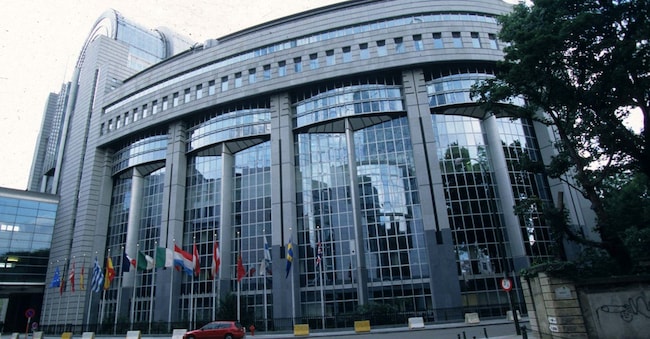
A budget that is about 10 per cent richer than the European Commission's proposal in order to adequately finance historical policies and new priorities. This is the position voted in the late afternoon of Wednesday 15 April by the European Parliament's Committee on Budgets on the MFF, the European Multiannual Financial Framework 2028-2034.
"We propose a European budget that is both adequate and predictable for the beneficiaries, addressing the shortcomings of the Commission's initial proposal," said Siegfried Mureşan, Romanian MEP from the People's Party (EPP) and one of the two rapporteurs of the sensitive and extensive file.
The voted position, as already anticipated, calls for a multiannual budget 2028-2034 of EUR 2,014 billion, EUR 197 billion more than the Commission's proposal presented last July and, most importantly, unlike the latter, proposes that the debt repayment of NextGenerationEU (the instrument that financed the post-pandemic recovery plans through joint debt) remain outside the budget.
This has two consequences. The first is that MEPs support the Commission's idea to increase the Union's own resources, i.e. new direct sources of revenue for the EU budget, by around 60 billion per year. "We need new, genuine own resources to finance Europe's increased responsibilities," added the other co-rapporteur, Portuguese socialist Carla Tavares.
The second consequence is that an overall richer MFF makes it possible to maintain the necessary resources for the new European priorities, such as defence and competitiveness, but also to increase the allocations for historical EU policies, which otherwise risked being the most penalised. Among these, the Common Agricultural Policy would benefit significantly (+139 billion) and cohesion, albeit less significantly (+78 billion). But above all, EUR 124 billion would be guaranteed for the European Social Fund.

