
From the EU Council first green light for Omnibus X food safety package proposals
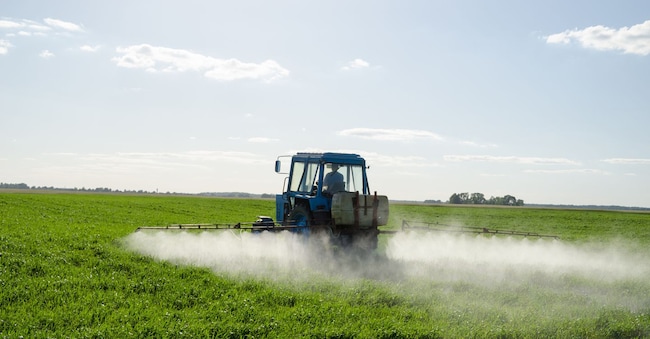
Among the points discussed were the adoption of drones for aerial spraying of pesticides, the protection of animals raised for agricultural purposes and the use of plastics
Key points
From the EU Council comes agreement on part of the Omnibus X legislative package in the framework of the European simplification agenda. Specifically, the Council mandate - which, once concluded, will allow for the start and management of the member states' negotiations with the Parliament - concerns the rules on the sustainable use of pesticides, the documentation on farm animals and the use of plastics in the food industry. But let us try to understand in detail what this is all about.
Omnibus X: the objectives
The Omnibus X package aims to simplify European legislative rules and procedures concerning plant protection products and bioacids, feedstuffs, official controls and health and animal welfare. What is proposed? Firstly, to reduce unnecessary costs and administrative burdens, while safeguarding the quality of European standards for food safety, human and animal health and environmental protection.
"Today we follow up on the second proposal within the food and feed safety package, paving the way for simpler and cheaper rules on the sustainable use of pesticides, record management and the use of plastics in the food sector," said Marilena Raouna, Deputy Minister for European Affairs of the Republic of Cyprus. "This reaffirms the commitment of our presidency to promote the EU simplification agenda quickly and efficiently."
Directive on the Sustainable Use of Pesticides
In terms of the sustainable use of pesticides, the directive currently in force (Sustainable use of pesticides directive, 2009/128/EC) bans aerial spraying of products but, at the same time, allows Member States the possibility to grant individual exemptions from the ban, at the expense of particularly high administrative costs for professional users and the competent authorities.
The purpose of the proposed amendments to this directive is to facilitate the adoption of certain types of drones suitable for targeted pesticide spraying that could have a more or less equivalent or even lower degree of risk than spraying on the ground. The Council's mandate essentially retains the exemption from the ban on aerial spraying in certain circumstances and adds an additional one for certain types of drones. But that is not all: the text also provides for a series of further clarifications and constraints.

