
EU, austerity alarm: 'Prepare to reduce consumption. Measures for households and businesses soon"
European Energy Commissioner Dan Jørgensen: 'One month of conflict cost 14 billion'

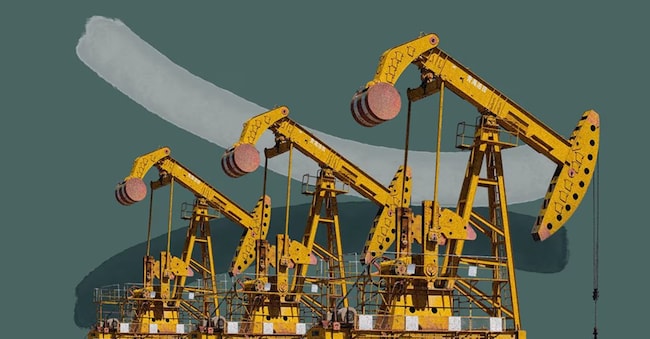
The less and less remote possibility of a prolonged closure of the Strait of Hormuz reawakens in Europe the spectre of energy austerity, an effect of the oil shock that followed the Yippur War of October 1973. The European Energy Commissioner Dan Jørgensen, ahead of today's video conference between EU energy ministers, sent a letter in which he urged member states to consider "demand reduction measures", particularly in the "transport" sector. The problem is precisely fuels: 'We depend on global markets,' Jorgensen recalls, 'for our supply of fossil fuels, in direct competition with other consumers. The intensification of global competition for available supplies could introduce more volatility into the European markets'. "Of particular concern in the short term," he emphasises, "is the EU's dependence on the Persian Gulf region for refined oil products, exacerbated by the limited availability of alternative suppliers and refining capacity for specific products within the EU.
Jørgensen: demand reduction might be needed
Member states, Jørgensen adds, are therefore "encouraged to prepare promptly in anticipation of a potential prolonged disruption (of oil supplies, ndr). In addition to the release of emergency stocks, voluntary demand reduction measures are another essential response tool'. Therefore, 'considering the current situation, Member States are invited to consider promoting demand reduction measures, in accordance with their contingency plans, with particular attention to the transport sector>. In order to avoid 'exacerbating supply difficulties', the member states for the Commission 'should refrain from taking measures that could increase fuel consumption, restrict the free movement of petroleum products or disincentivise the production of EU refineries>.
"Soon measures for families and enterprises"
The European Commission is working on "a set of measures that we will soon present to support the member states in protecting both households and businesses" from rising energy prices, Jørgensen told the informal meeting, without making any commitment on the timing of the presentation. "We must stay the course on our long-term strategy," he noted. "This crisis shows us once again that our exposure to external energy shocks is a major vulnerability. And this is linked to our dependence on imported fossil fuels,' he added. "This is a very clear encouragement from me to the member states: everything must be done to generate more energy from renewable sources," Jørgensen continued. "There are some projects that are almost finished, but due to lack of storage, grid problems, etc., they have not yet been concluded. So we strongly encourage the Member States to speed up these procedures so that they can be concluded."
"Preserving the internal market"
States should also "assess," Jorgensen continues, "the potential cross-border impact of national measures and consult with neighbouring Member States and the Commission to preserve EU-wide consistency and the functioning of the internal market". Given the "volatility" of the current situation, he adds, "effective monitoring mechanisms and rapid information sharing are essential, including by industry, such as producers, importers, distributors, infrastructure managers, refiners and other relevant companies". To safeguard the availability of petroleum products on the EU market, Member States "are encouraged to postpone any non-urgent maintenance of refineries. In addition, Member States are invited to consider increasing the use of biofuels, which could help replace fossil-based petroleum products and relieve pressure on the market".
"A month of conflict cost 14 billion"
"Now more than ever, it is extremely important that we all stand together and act together. Let me start with some figures: since the beginning of the conflict in the Middle East, prices in the EU have risen by about 70% for gas and 60% for oil. In financial terms, 30 days of conflict have already added €14 billion to the EU's fossil fuel import bill. These numbers paint a very clear picture: as the crisis in the Middle East enters its second month, it is clear that we are facing a very serious situation," says Energy Commissioner Dan Jørgensen.

