
European Organic Day, Ismea: consumption on the rise in Italia, but land and operators on the decline
The ‘Italian Organic Label’ was also unveiled; it will appear alongside the EU organic production logo

Key points
The value of organic consumption is rising, but the area under cultivation and the number of operators in the sector are falling. This is the picture that emerges from the report “Organic in Figures” compiled by Ismea in collaboration with Ciheam Bari, as part of the Masaf “DimecobioI” and “Pro4DatiBioRO4”, the key findings of which were presented at a conference organised in Rome to mark European Organic Day, established by the European Commission in 2021 to promote organic farming and raise public awareness of its benefits.
Ismea data and the new brand
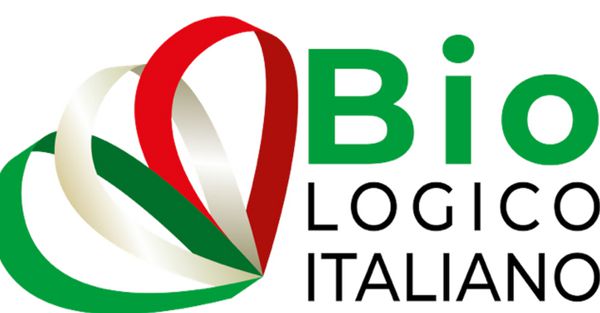
On this occasion, the Italian organic label, which will appear alongside the European Union’s organic production logo. The mark, consisting of three intertwined leaves in green, white and red, will clearly identify organic products made from raw materials grown or reared in Italia, contributing, as Masaf emphasises in a statement, “to the protection of domestic production and the further development of a sector in which Italia continues to be a benchmark within the EU”.
More specifically, in 2025 the positive trend in domestic consumption is set to strengthen, up 9.2 per cent on the previous year, reaching €4.4 billion, the highest figure ever recorded, accounting for 4 per cent of the total value of national agri-food expenditure.
Eight regions, together with the Autonomous Province of Bolzano, have already exceeded the European target of 25 per cent of utilised agricultural area under organic farming, which in 2025 accounts for 19.4 per cent of the total national area (2,377,749 hectares).
However, in 2025, Italia – with 2.37 million hectares under organic cultivation, lost 5.4 per cent of its organic farmland compared with the previous year. There were 85,443 organic farms and a total of 95,386 organic farmers, down by 1.8 per cent.
According to Federbio, the decline in the UAA is mainly due to areas undergoing conversion (-24.4 per cent), which particularly affects grassland and pasture. Areas already certified as organic, on the other hand, remain broadly stable (-0.5 per cent).


