
European Union divided over Iran-US tensions. Kallas tough on Tehran regime
EU foreign ministers discuss the attack on Iran, amid calls for restraint and fears of a protracted conflict with economic and migratory impacts

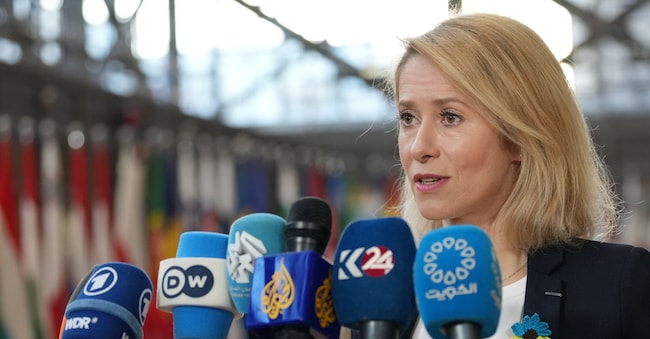
FROM OUR CORRESPONDENT
BRUSSELS - Once again, US President Donald Trump's unilateral choices are complicating relations between the Twenty-Seven. It had already happened on the occasion of the military interventions in Venezuela or Syria. The attack against Iran is also a source of uncertainty among the member states, which yesterday met in emergency at the level of foreign ministers to take stock of the situation and issue a (painful) communiqué reacting to the new crisis in the Middle East.
"We call for maximum restraint, the protection of civilians and full respect for international law, including the principles of the UN Charter and international humanitarian law," reads the statement by High Representative Kaja Kallas issued last night. The European Union will continue to contribute to all diplomatic efforts aimed at reducing tensions and finding a lasting solution to prevent Iran from acquiring nuclear weapons".
Earlier, the High Representative had said in a message on X that the death of Supreme Leader Ayatollah Ali Khamenei is "a decisive moment in the history of Iran". The former Estonian premier went on to explain: 'The future is uncertain. But now there is an open road to a different Iran, an Iran that its people will be able to shape with greater freedom'. To many, Mrs Kallas' words seemed to endorse a regime change in Tehran.
Some member states, on the other hand, view the regime change with great caution. They fear a power vacuum, as has happened on other past occasions. The examples of Iraq and Afghanistan stand out. Last night's one-page communiqué emphasises Iran's responsibility and glosses over the nature of the Israeli-American attacks in many ways. The urgency to repatriate compatriots - many present in the region due to school holidays in Europe - is emphasised.


