
What the research says

Even if it doesn’t help you lose weight, physical activity is a real boon for the heart

According to American cardiologists, the benefits of physical activity go far beyond simply losing weight, as they improve cardiometabolic health

by Maria Rita Montebelli

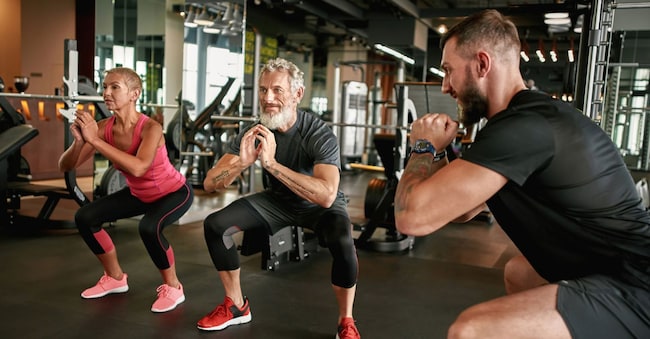
Attractive and fit elderly woman and man performing together injury free squats under professional trainer supervision. Excercises to strengthen body. Seniors exercising together concept. Svitlana - stock.adobe.com

4' min read

Translated by AI
Versione italiana

4' min read

Translated by AI
Versione italiana

American cardiologists from the AHA (American Heart Association) have also come out in support of physical exercise in the fight against obesity, emphasising that the benefits of physical activity go far beyond mere weight loss, as they improve cardiometabolic health. The call to action for doctors, therefore, is to encourage physical activity among people with obesity, in conjunction with drug therapies or bariatric surgery.

“The aim of our AHA scientific statement – explains Francoise Marve, author of the statement and associate professor of medicine in the Division of Cardiology at Johns Hopkins University School of Medicine – “is to redefine the role of physical activity: it is not merely a means of losing weight, but a genuine cardiometabolic therapy”.

Loading...

At a time when GLP-1-based medicines are at the height of their popularity and a great many pharmaceutical companies are entering the fray of incretin-based therapies, US cardiologists, whilst recognising the cardiometabolic protective benefits of these new therapies (to the extent that they have received regulatory approval for the treatment of obesity associated with cardiovascular disease and sleep apnoea), point out that these drugs must be used in combination with physical activity. “The idea of using GLP-1-based drugs in isolation,” Marvel emphasises, “must be strongly discouraged.”

The benefits of aerobic and resistance exercise

Aerobic exercise – as the AHA experts point out – reduces blood pressure, insulin resistance and dyslipidaemia (all conditions very commonly found in people with obesity) and improves cardiorespiratory fitness. When combined with resistance training, it also increases lean body mass, reduces body fat, further improves insulin sensitivity and reduces glycated haemoglobin.

In short, even if you do not lose weight through an exercise programme (to achieve this, it must be combined with a diet and medication or surgery), your health will still benefit.

GLP-1 medicines and physical activity: many patients stop exercising

Managing obesity requires a multi-faceted approach, but research suggests that people often fail to put this strategy into practice. A study published in JAMA Network Open on the experiences of 23 patients undergoing treatment with GLP-1 medications finds that people view these therapies as a support for lifestyle changes, and some report a greater willingness to engage in physical activity.

However, a study based on data from wearable devices worn by over 700 adults with obesity, which was recently presented at a conference, showed that, on average, patients actually reduced their physical activity after starting GLP-1 medication.

And this is a problem because these drugs also lead to significant loss of skeletal muscle, which is essential for healthy ageing and for regulating blood sugar levels. “Added to this is the fact that – as John Jakicic, professor of physical activity and weight management at the University of Kansas Medical Centre and president-elect of the American College of Sports Medicine, observes – muscle quality in people with obesity may already be compromised by high levels of fat infiltration in the muscles. What we see in studies, however, is that physical exercise actually improves muscle quality.”

The ‘5A’ model and the ‘SMART’ model

The Physical Activity Guidelines for Americans (published in JAMA in 2018) recommend that adults engage in at least 150 minutes of moderate-intensity aerobic activity, or 75 minutes of vigorous-intensity activity, each week, in addition to muscle-strengthening exercises at least twice a week. However, experts at the AHA emphasise that even modest amounts of exercise can produce measurable health benefits for people starting from scratch. The important thing is to get started and keep at it consistently.

It is recommended that the ‘5A’ model be adopted to encourage patients to take regular exercise: Assess, Advise, Agree (on goals), Assist (provide support), Arrange (organise follow-up). The process begins by assessing what the patient is currently doing and their willingness to commit to physical activity. Next, information is provided on how to exercise, shared goals are set, strategies to overcome barriers are identified, and a plan is established to monitor progress.

Finally, the AHA recommends that objectives should follow the SMART model, meaning that they should be: Specific, Measurable, Achievable, Relevant and Time-bound.

Step counters and smartwatches: your allies in staying active

Technology can help patients achieve these targets. Wearable devices such as pedometers, health apps and smartwatches can help patients monitor their progress with physical activity, boost their motivation and provide clinicians with objective data that can be used to give patients informed feedback.

Sometimes people are motivated to incorporate physical activity into their daily routine, but lack the time, resources or safe spaces to do so. And even in such cases, the doctor plays a crucial role in helping patients overcome these barriers and identify the resources available to them. And given that doctors also face time constraints, the help of other healthcare professionals (nurses, physiotherapists, dietitians and behavioural counsellors) is invaluable in providing more comprehensive support. “What we need is collaboration between clinicians and local resources that can support all aspects of patient care, including physical activity and exercise,” says Jakicic. “We do this for cardiac rehabilitation. Why shouldn’t we do the same in the treatment of obesity?”

Copyright reserved ©
Loading...

Brand connect

Loading...

Newsletter

Notizie e approfondimenti sugli avvenimenti politici, economici e finanziari.

Iscriviti