Agriculture

Extra virgin olive oil, a pact against sales below cost is needed

The collapse of Spanish production had led to price hikes over the past two years, but now the rebound in Madrid is prompting producers and industry to unite to avoid excessive falls in value. The appeal of Assitol

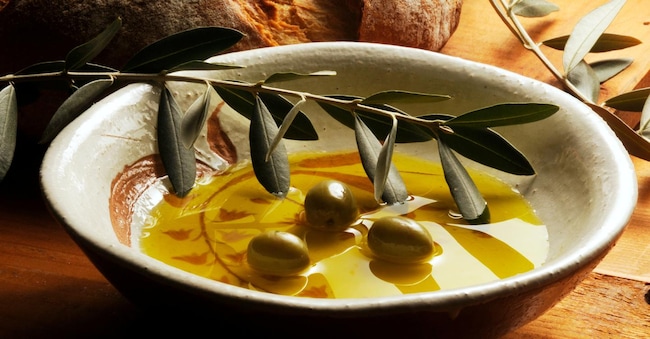
Olio extravergine di oliva: si abbasseranno i prezzi?

4' min read

4' min read

After two years marked by unprecedented, almost historic events, the olive oil sector in Italy is now at a turning point. In fact, the last two years have witnessed the collapse, for climatic reasons (primarily drought), of Spanish production. The production shortfall in Madrid, the world's leading producer, has triggered a spiral of price increases that has led extra virgin olive oil to steadily occupy the EUR 10 per litre threshold on the shelf. A price level long dreamed of by olive producers and the oil industry without ever having been able to even come close to it in the past has thus become a reality.

Olio extravergine, prezzi in continuo aumento

The high price increases were not without consequences: there was a drop in consumption of around 16%.

Loading...

After two years, now, a new abrupt paradigm shift. Spain is back to having a 'normal' olive oil campaign with an estimated production of 1.3 million tonnes (double the average of the last two campaigns). But several other producers in the Mediterranean area are also growing: 250 thousand tonnes are expected in Turkey, 320 thousand in Tunisia, 230 thousand in Greece, 170 thousand in Portugal. Only Italy, thanks to the year of unloading, is expected to produce below average with an expected harvest of just over 200 thousand tonnes. Numbers that would make Italy 'only' the world's fifth largest producer.

But, above all, the strong rebound in production, primarily from Spain, is now raising fears among the production world and the oil industry of a sharp turnaround in prices.

"I remain convinced that the price list debacle will not happen,' explains the president of the olive oil group of Assitol (the association of Italian olive oil industries), Anna Cane. 'However, it is not an outcome that can be left to fate: we must - all - work on it. Everyone, from olive growers to mills and the industry, through to distribution and consumers, must take their share of the responsibility and commit themselves to ensuring that there is no return to extra virgin olive oil at 3-4 euros per litre'.
The president of the Assitol oil group also explains her optimism on the merits. 'In the last two years,' she adds, 'compared to a price growth of 40-50%, we have seen a drop in consumption of 16%. A much less than proportional drop, a sign therefore that consumers have reduced their purchases but have not given up extra virgin. And this is a very important signal, but signals alone are not enough, they must be backed up with targeted initiatives'.

Over the years, negative messages have also been spread about olive oil. "The many messages about alleged fraud have certainly not helped anyone,' says the Assitol president. There have always been isolated cases, but they concern marginal situations and often insignificant quantities. Episodes that do not invalidate the fact that olive oil is one of the most controlled sectors of the Made in Italy agro-food industry. Just as the many demonisations of imported extra virgin have not helped. There is little to be done. Italian production is not enough. And without imports and blends between Italian and foreign oils we producers would not be able to satisfy domestic demand and that coming from international markets'.

The first and perhaps most important initiative according to the industrialists' representative isthe launching of a real supply chain round table ('which undersecretary La Pietra has been working on for some time,' adds Cane) extended to all, but really all, of the actors in the sector, including, that is, the representatives of distribution and those of consumers. To decide what? "To make a pact," adds Cane, "against sales below cost and the use of extra virgin olive oil as a covert product on the shelves. If consumers in the supermarket find extra virgin perennially on promotion, how do you explain to them that it is a quality product? But not only that. The opposite messages must also be avoided, i.e. that extra virgin olive oil can be marketed at 30 euros per litre. Creating illusions as well is counterproductive for the sector'.

The point is that then reality is made up of relevant volumes that have to meet the needs of consumers "who always say they are looking for quality," says the Assitol representative, "but then in the trolley they often put the bottle that costs the least. With this in mind, we ask two things of the institutions: on the one hand, to promote a truly representative supply chain table. On the other, to launch promotional campaigns to explain to consumers the qualities and properties of extra virgin olive oil. A product about which the scientific literature speaks only positively for its beneficial effects on health. Extra virgin olive oil is not just any fat. It has unique characteristics and properties that need to be explained and enhanced. The consumer has shown in the season of unprecedented price levels that he does not want to give up extra virgin. We must, however, give them the right motivation to continue to buy this product in a convinced and conscious manner at a price commensurate with its quality'.

Copyright reserved ©
Loading...

Brand connect

Loading...

Newsletter

Notizie e approfondimenti sugli avvenimenti politici, economici e finanziari.

Iscriviti